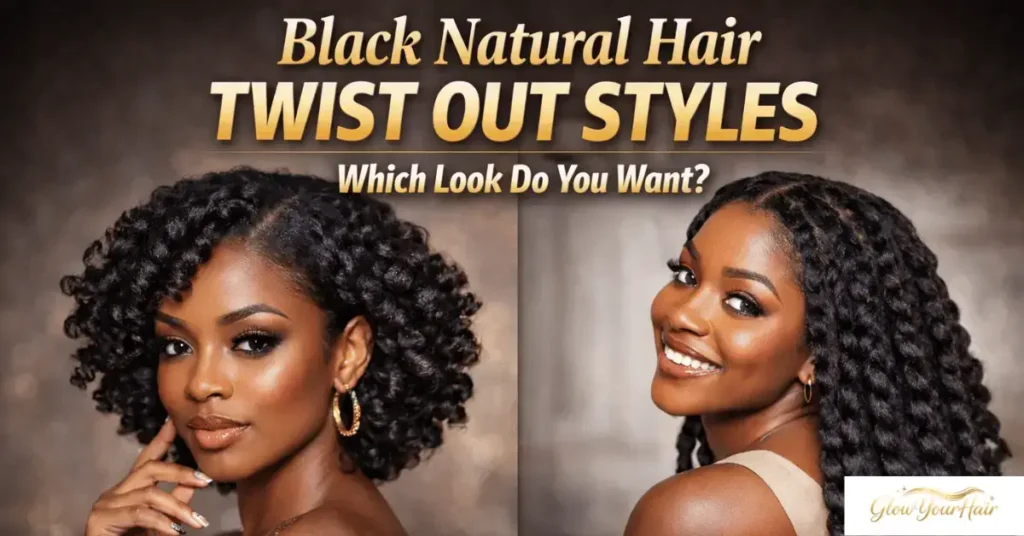
Have you ever taken down a twist out and just paused for a second… because your curls actually showed up?
I’ve been styling natural hair for years, and I can tell you this — when a twist out is done right, it completely transforms your texture. Not just “cute for today” curls. I’m talking about defined, voluminous curls that last for days and still look good on day four.
What I’ve seen over and over again in the salon is this: most twist outs fail because of small technique mistakes, not because of your hair type. Once you understand moisture balance, section sizing, and product layering, everything changes.
These are the same real stylist techniques and best twist out methods Black women ask me about constantly — the ones that actually work in real life, not just in pictures.
What Are Natural Hair Twist Out Styles? (Beginner-Friendly Explanation)
If you’re new to natural hair twist out styles, you might be wondering… is it just twisting your hair and taking it down?
Yes — and no.
At the surface, it’s simple. You twist moisturized hair, let it dry completely, then gently unravel it. But what makes twist out hairstyles for Black women so powerful is how they enhance your real texture instead of hiding it.
You’re not forcing curls. You’re guiding them.
A well-done twist out stretches your strands while they dry in formation. When you separate the twists, your hair falls into soft, defined curls with movement and volume. That’s why this style stays popular year after year — it works with your hair, not against it.
Natural Curls Definition & Curl Pattern Enhancement
Here’s what most people don’t realize.
The goal isn’t to “create” curls. It’s to support your natural curls definition through curl pattern enhancement.
When hair dries inside a twist, strands clump together intentionally. That’s what creates defined curl clumping instead of scattered frizz.
I’ve seen clients who thought their hair “doesn’t define.” The truth? Once we adjusted their moisture balance and twist size, their curl pattern showed up beautifully.
Twist outs don’t change your texture.
They reveal it.
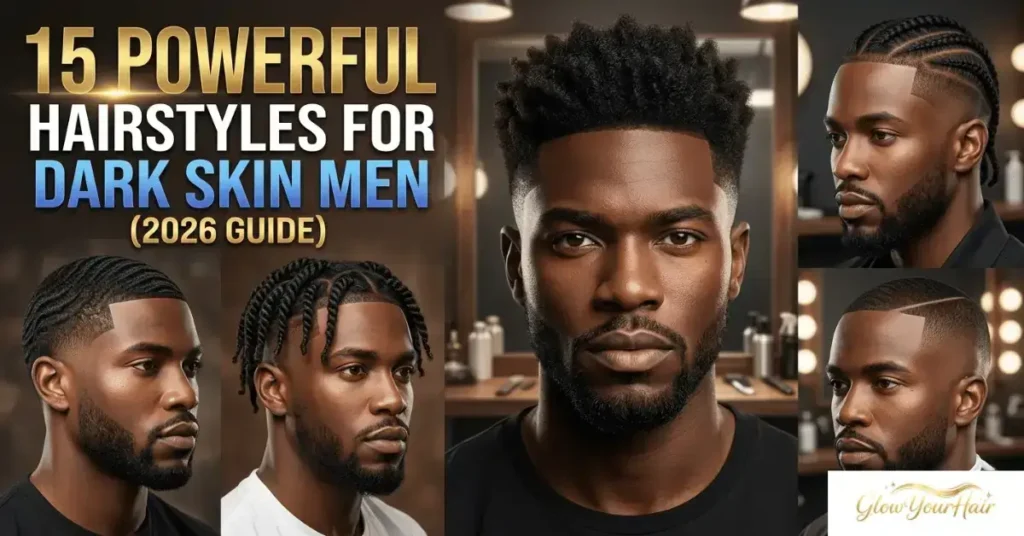
Strong, clean haircuts enhance facial structure and confidence. If you want sharp, well-defined styles that stand out, explore this detailed guide on sharp hairstyles for dark skin men:
Why Twist Out Hairstyles for Black Women Work So Well
There’s a reason twist out hairstyles for Black women never go out of demand.
They solve multiple problems at once.
Protective Styling Benefits
Twist outs offer protective styling benefits without fully hiding your hair. While your strands are twisted, they’re protected from daily manipulation, wind friction, and heat damage.
Less pulling. Less stress. Healthier ends.
Defined Curl Clumping
Twisting groups strands together in a controlled way. When you unravel them, the curls separate in soft clusters instead of exploding into frizz.
That’s the secret behind long-lasting definition.
Heat-Free Styling Advantage
No curling iron.
No flat iron.
No heat damage risk.
Twist outs are one of the best heat-free styling methods for maintaining moisture and curl retention while still achieving shape and volume.
If you’ve ever struggled choosing between protective styling and wearing your curls out — this sits perfectly in the middle.
Dry Twist Out vs Wet Twist Out (Which Gives Better Results?)
This is where technique really matters.
The debate around dry twist out vs wet twist out comes down to your desired result.
- Wet twist out: Stronger definition, more shrinkage
- Damp twist out: Balanced stretch and hold
- Dry twist out on stretched hair: More length, softer texture
What I’ve noticed over the years is that moisture level at the time of twisting directly impacts frizz control and longevity.
Too wet? It may shrink more.
Too dry? It may lack hold.
Balance is everything.
Waves add movement and natural texture to men’s hairstyles. For layered, flowy, and modern wave-inspired cuts, check out wavy hairstyles for men here:
Hair Porosity and Twist Results
Hair porosity and twist results are deeply connected.
Low porosity hair often needs lightweight leave-in and sometimes gentle heat to help product absorb properly.
High porosity hair benefits from thicker creams and gel layering to seal moisture.
Medium porosity hair usually adapts well but still needs proper layering.
If your twist outs don’t last, porosity might be the real reason.
Section Sizes and Curl Outcomes
Section sizes and curl outcomes go hand in hand.
- Small twists → tighter, more defined curls
- Medium twists → natural balance of volume and shape
- Large twists → bigger, fluffier texture
I’ve watched someone switch from chunky sections to smaller twists and suddenly fall in love with their results.
Sometimes the difference isn’t your hair type.
It’s how you section it.
Curly hair in boys needs the right cut to control volume while keeping definition. Discover practical and stylish ideas in short hairstyles for boys with curly hair:
How to Do a Twist Out (Step-by-Step Twist Out Natural Hair Guide)
I’ve done hundreds of twist outs behind the chair. The difference between “okay” and “wow” is always in the prep and the drying. Not luck. Not hair type. Technique.
If you’ve been searching for how to do a twist out the right way, this is the method I trust every time.
Step by Step Twist Out Tutorial for Beginners
Keep it simple. Precision matters more than speed.
- Start on clean, conditioned hair. Product buildup ruins definition.
- Apply leave-in evenly from root to ends.
- Seal using cream or gel.
- Section neatly — clean parts give better curl pattern.
- Create smooth two-strand twists with even tension.
- Let hair dry 100% before unraveling.
- Separate gently using oil on fingertips.
That’s the foundation. Most beginners rush step six. That’s where frizz starts.
This step by step twist out tutorial for beginners works because it focuses on control and moisture balance.
How to Do a Twist Out on 4C Natural Hair
4C hair holds a twist beautifully — if moisture is right.
When I do a twist out on 4C natural hair, I:
- Use a thicker cream for hold
- Twist on slightly stretched hair to reduce shrinkage
- Dry under a hooded dryer for better elongation
The biggest mistake with 4C hair? Not using enough product for structure. The coils need support to form defined clumping.
Done correctly, 4C twist outs give unmatched volume.
Best Twist Out Techniques for Thick Curly Hair
Thick curly hair requires smaller sections. Every time.
The best twist out methods for thick curly hair include:
- Working in manageable quadrants
- Smoothing each section before twisting
- Using medium-hold gel lightly — not heavy
Too much product weighs thick hair down. Too little causes frizz. Balance gives definition.
LOC Hair Method for Moisture and Curl Retention
The LOC hair method is my go-to for moisture and curl retention.
Liquid (leave-in) → Oil → Cream.
It seals hydration inside the strand. Especially important for high porosity hair.
Skip layering, and your twist out may look good day one — then dry out fast.
Twist Out Products (Leave-In, Gel, Cream)
You don’t need five stylers.
The twist out products (leave-in, gel, cream) combination should:
- Hydrate
- Define
- Hold without stiffness
I always tell clients: if your hair feels sticky before drying, you used too much.
Twist Out Drying Methods (Air Dry vs Hooded Dryer)
Twist out drying methods change longevity.
Air dry = softer, more natural finish.
Hooded dryer = longer-lasting definition and less frizz.
If you want a style that survives humidity, controlled drying wins.
Anti-Frizz Twist Out Tips That Actually Work
Frizz isn’t random. It comes from mistakes.
Here are anti-frizz twist out tips I repeat daily:
- Never unravel damp twists
- Use oil on fingers before separating
- Don’t over-separate
- Avoid touching hair constantly
Real frizz control strategies are about patience and low manipulation.
Most twist outs fail at the separation stage — not the twisting stage.
10 Stunning Natural Hair Twist Out Styles (Picture Inspiration)
These are the most requested natural hair twist out styles I create in the salon — based on volume preference, curl pattern, and length. Each one highlights different twist out volume techniques and levels of defined curl clumping.
1️⃣ Two-Strand Twist Out Styles (Classic Defined Look)

Clean definition. Balanced volume. Works for almost every texture.
2️⃣ Flat Twist Out Hairstyles (Root Definition Focus)
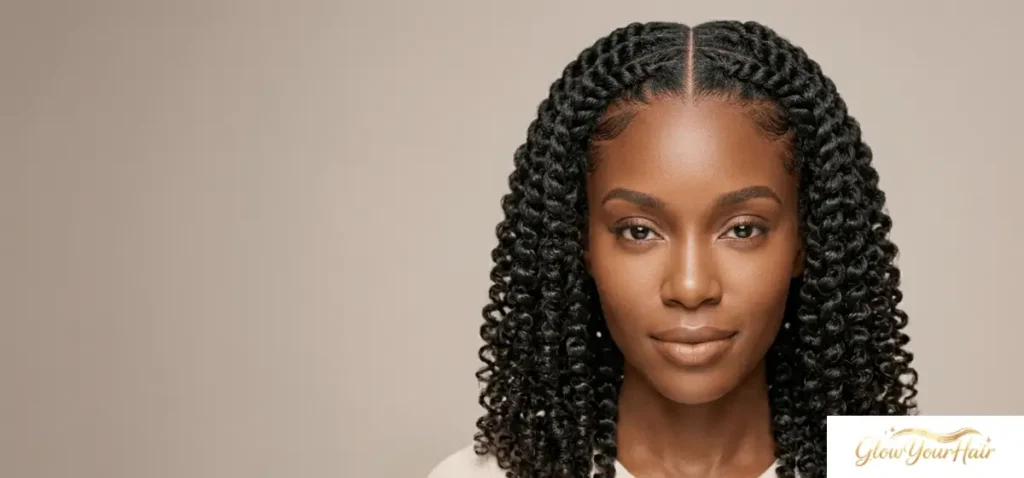
More scalp structure and tighter roots. Great for polished looks.
3️⃣ Twist Out for 4C Hair (Maximum Volume Style)
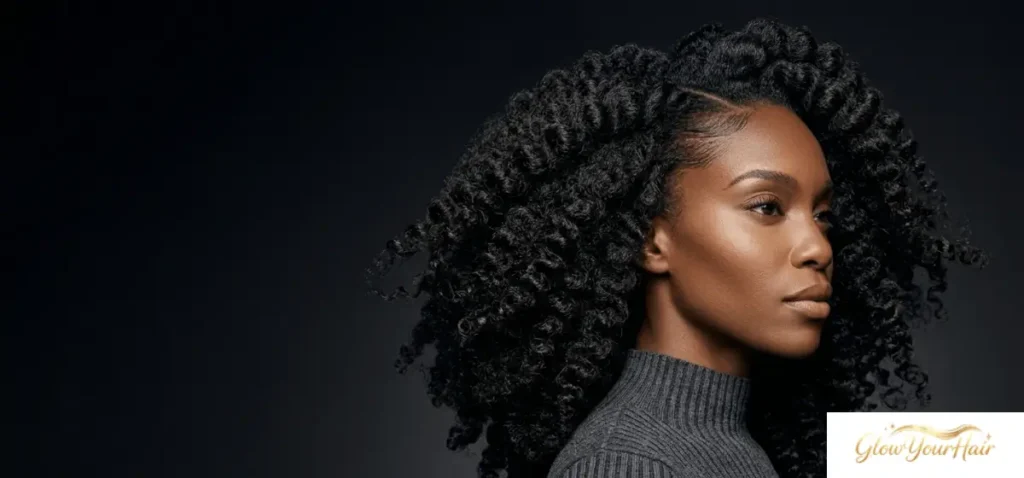
Big shape. Fluffy texture. Strong curl formation.
4️⃣ Natural Twist Out Hairstyles for Short Hair

Perfect for tapered cuts and shorter lengths. Compact but defined.
5️⃣ Chunky Twist Out (Big Curl Outcome)

Large sections create softer, dramatic curls with bold volume.
6️⃣ Mini Twist Out (Tight Definition Look)
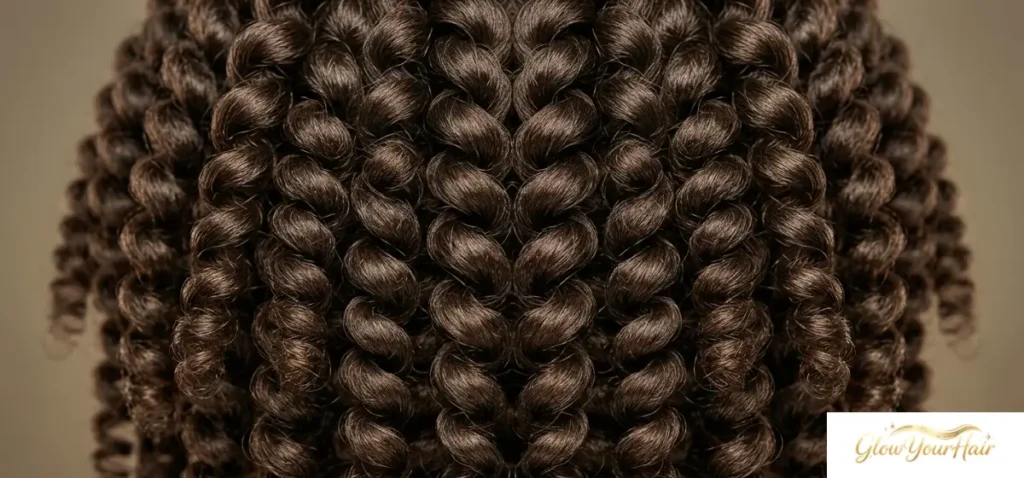
Small sections. High definition. Longer-lasting shape.
7️⃣ Twist Out Updo
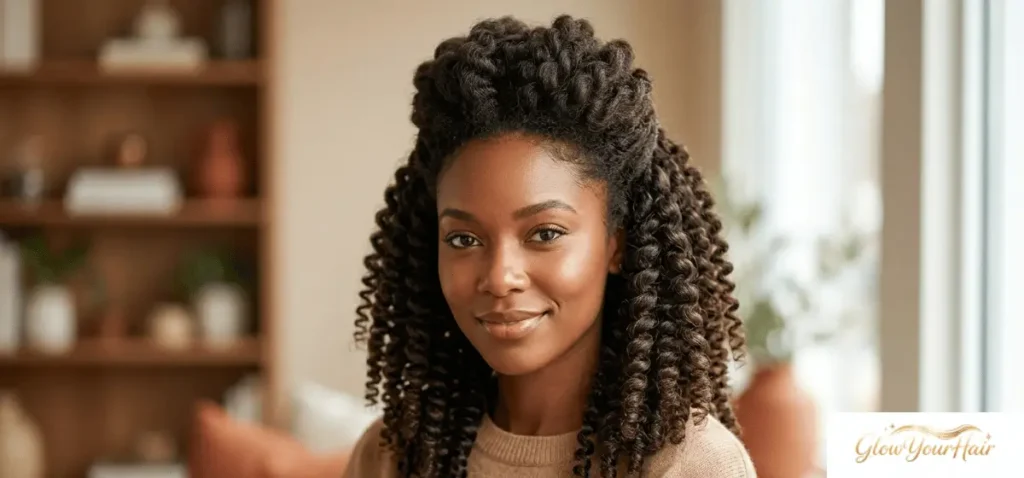
Defined curls styled upward for elegant, protective styling.
8️⃣ Half-Up Half-Down Twist Out

Crown volume with free-flowing curls in the back.
9️⃣ Twist Out Hairstyles Without Frizz (Polished Look)
Smooth separation. Controlled finish. Glossy definition.
🔟 Protective Twist Out Styles for Black Natural Hair
Low manipulation. Stretched finish. Healthy shine.
Twist Out Maintenance After Sleep (Make It Last 5+ Days)
Day one is easy.
Day three? That’s where the real test begins.
I’ve seen beautiful twist out styles that last multiple days — and I’ve seen them collapse overnight. The difference is always maintenance. Not luck. Not hair type.
If you want strong twist out maintenance after sleep, your nighttime routine matters more than your styling routine.
Satin/Bonnet Nighttime Care Routine
Cotton is not your friend.
Every client I’ve helped extend their twist out past day four uses proper satin/bonnet nighttime care. No exceptions.
Here’s what works:
- Lightly gather hair into a loose pineapple
- Use a satin scrunchie (never tight elastics)
- Protect your hair overnight by wearing a satin bonnet or resting your head on a smooth satin pillowcase to reduce friction and frizz.
Satin reduces friction. Less friction means less frizz and less moisture loss.
Simple routine. Big difference.
Twist Out Maintenance After Sleep
In the morning, don’t attack your hair.
Take off your bonnet. Let your curls fall naturally. Shake gently from the roots — not the ends.
If volume dropped overnight, use your fingers at the roots only. Avoid pulling through the length. That’s where defined curl clumping breaks apart.
Twist out maintenance after sleep is about restraint. The more you touch, the faster it frizzes.
How to Refresh Without Causing Frizz
Most people over-refresh.
There’s no need to fully drench your hair again—just a light refresh will do the job.
Instead:
- Light mist of water (very light)
- Small amount of leave-in on palms
- Smooth over frizzy areas only
- Scrunch gently
This hydration routine restores shape without restarting the entire style.
Too much water reactivates product and causes shrinkage. Controlled moisture keeps the style intact.
Hair Manipulation Techniques to Avoid
These ruin longevity fast:
- Over-separating curls daily
- Combing through dry hair
- Re-twisting large sections every night
- Constant fluffing throughout the day
Low manipulation is the secret behind twist out styles that last multiple days.
Hydration Routine for Multi-Day Wear
Healthy moisture balance keeps curls soft without collapsing.
On day three or four:
- Apply a pea-sized leave-in to palms
- Focus on ends
- Seal lightly with oil
That’s it.
When moisture and protection are balanced, your twist out doesn’t just survive the week — it still looks intentional.
Straight hair offers versatility from classic to trendy looks. See structured and easy-maintenance options in short hairstyles for boys with straight hair:
Flat Twist Out vs Two Strand Twist Out Differences
Clients ask me this all the time — “Which one should I do?”
The truth is, when it comes to flat twist out vs two strand twist out differences, neither is better. They just create different results.
Your choice should match your texture, your density, and the look you’re going for.
Curl Pattern Outcome Comparison
Here’s what I’ve seen consistently.
A two-strand twist out gives a softer, more uniform curl pattern. The curls fall naturally and tend to look fuller throughout the length.
A flat twist out creates more definition at the roots because the twist is anchored to the scalp. That tension changes the curl formation slightly.
Section sizes and curl outcomes matter here too. Smaller flat twists create tighter definition. Larger two-strand twists create fluffier curls.
Same hair. Different structure. Different outcome.
Volume vs Root Definition
If volume is your goal, two-strand twists usually win.
They lift more at the roots and separate easily for fullness.
If you prefer a sleeker, more controlled base, flat twists create cleaner root definition. The style looks more structured and polished.
I’ve noticed that women who want dramatic shape lean toward two-strand twists. Women who prefer neat edges and scalp pattern visibility often choose flat twists.
It’s a styling preference — not a texture limitation.
Which One Works Better for 4A, 4B, 4C Hair?
This is where texture matters.
For 4A hair, both methods work beautifully. Definition comes easily, so it’s about personal style preference.
For 4B hair, flat twists can help control root puffiness, while two-strand twists give softer expansion.
For 4C hair, two-strand twists often create more visible separation and volume. Flat twists, though, can stretch the roots more and reduce shrinkage at the scalp.
4A, 4B, 4C twist out expectations should always match density and porosity — not just curl pattern alone.
What I’ve learned over the years is this: technique beats texture every time. Clean sections, balanced moisture, and proper drying make either method look good.
Twist Out vs Other Natural Styles
Not every curl definition method gives the same result.
Understanding the structural difference between styles helps you choose smarter — not trend-based.
Braid Out vs Twist Out
When comparing braid out vs twist out, the main difference is tension and pattern shape.
Braid outs create a zig-zag or crimped wave pattern because of the three-strand structure. The definition looks sharper and more stretched.
Twist outs create a rounder, spiral-like curl pattern. The finish is softer and usually fuller.
If you want:
- More stretch → braid out
- More softness and volume → twist out
Both are heat-free styling methods and fall under protective styling when done with low manipulation.
Bantu Knot Out Differences
Bantu knot out differences come down to curl size and drama.
Bantu knots create tighter, more uniform coils. The result is bold definition with visible curl spirals from root to tip.
Twist outs look more natural and less “set.” The pattern blends better with mixed textures.
Choose Bantu knot outs if you want:
- Strong curl uniformity
- More shrinkage
- Defined coil clusters
Choose twist outs for:
- Everyday wear
- Softer separation
- Easier refresh routine
Flexi Rod Sets vs Twist Outs
Flexi rod sets vs twist outs is a control vs convenience debate.
Flexi rods create very polished, symmetrical curls. Every section follows the rod size exactly.
Twist outs depend on your natural curl pattern. The result looks more organic.
Flexi rod sets:
- Longer drying time
- More structured finish
- Higher manipulation
Twist outs:
- Faster install
- Lower tension
- Easier protective styling routine
Heat vs Heat-Free Styling Comparison
Most natural styles fall into heat vs heat-free styling categories.
Twist outs, braid outs, and Bantu knot outs are fully heat-free styling methods when air dried or hood-dried.
Flexi rod sets can be heat-free, but many people sit under high heat dryers for faster results.
Long-term curl health improves when you limit heat exposure. Twist outs remain one of the safest definition methods because they rely on curl memory, not thermal reshaping.
Best Products for Long-Lasting Defined Twist Outs
Products don’t create definition — technique does.
But the wrong product will ruin moisture and curl retention fast.
Your twist out products (leave-in, gel, cream) must match your porosity and density.
Best Leave-In for Curl Definition
A good leave-in should:
- Absorb quickly
- Provide slip
- Support curl clumping
Lightweight formulas work best for low-porosity hair. Thicker leave-ins help high-porosity hair maintain moisture and curl retention.
Too heavy = limp curls.
Too light = frizz by day two.
Balance matters.
Best Gel for Frizz Control
Gel is what locks the pattern in place.
Look for gels that provide:
- Medium to strong hold
- Minimal alcohol
- Shine support
Strong hold gels help with frizz control strategies, especially in humid climates.
Apply gel in sections while twisting — not after the twist is complete.
That’s one of the best twist out techniques for longevity.
Cream vs Gel: Which Gives Better Moisture Retention?
Cream gives softness.
Gel gives hold.
Cream alone:
- Soft finish
- Lower hold
- More expansion
Gel alone:
- Strong definition
- Longer wear
- Slight crunch if overused
For maximum moisture and curl retention, layering works best:
Leave-in → Cream → Gel
(or use the LOC method depending on porosity)
Technique first.
Products second.
That’s how you get a twist out that lasts.
Common Twist Out Mistakes That Ruin Curl Definition
I’ve fixed hundreds of failed twist outs.
Almost every issue comes from these three mistakes — not hair type.
If your definition disappears by day two, check this list first.
Twisting on Dry Hair
Twisting on dry hair is the fastest way to get frizz instead of definition.
Dry strands don’t clump properly. They expand unevenly and separate too early.
Hair should feel moisturized — not wet, not dripping — but properly hydrated before twisting. That moisture is what helps curl grouping stay intact while drying.
If the hair is dry at the start, the twist out will look dry at the finish.
Using Too Much Product
More product does not mean more hold.
Overloading cream or gel causes:
- Product buildup
- White residue
- Sticky curls
- Delayed drying time
When twists don’t dry fully because of excess product, the definition collapses after separation.
Use enough for slip and hold — not saturation. Clean sections and balanced layering always outperform heavy application.
Separating Before Fully Dry
This mistake ruins definition instantly.
If twists are even slightly damp inside, separating them creates:
- Frizz
- Puffiness
- Broken curl clumps
Before unraveling, check the center of the twist — not just the surface.
Patience here makes the biggest difference. Fully dry twists separate smoothly and maintain strong curl definition for days.
Black Natural Hair Twist Out Styles – FAQs
1. How long do Black Natural Hair Twist Out Styles last?
Most twist outs last 3–7 days with proper care. Sleeping with a satin bonnet and avoiding excess moisture helps maintain definition longer.
2. How can I keep my twist out frizz-free?
Apply a leave-in conditioner and a good curl cream before twisting. Make sure your hair is fully dry before separating to reduce frizz and keep curls defined.
3. Are Black Natural Hair Twist Out Styles protective?
Yes, twist outs are considered low-manipulation styles. When done correctly, they help retain moisture and reduce daily styling damage.
4. Can twist outs work on short natural hair?
Absolutely. Twist outs look great on short natural hair and add volume, shape, and definition without needing heat styling.
Conclusion: Black Natural Hair Twist Out Styles
Black Natural Hair Twist Out Styles are versatile, stylish, and healthy for natural curls. Whether you prefer a frizz-free polished look or a stretched protective finish, twist outs offer beautiful definition while supporting strong, moisturized hair.