
Have you ever looked in the mirror and wondered, “Do I really need a haircut, or can it wait another month?” You’re not the only one. I’ve heard this question countless times, and the answer isn’t the same for everyone.
The truth is, there’s no single haircut schedule that works for every woman. Your hair type, length, styling routine, and even your personal goals all play a part.
I’ve seen women wait six months without a trim and end up losing more length because of split ends. I’ve also seen others visit the salon too often and cut away healthy growth they wanted to keep. Finding the right balance makes all the difference.
If you’re growing your hair, trying to keep a fresh style, or simply want healthier-looking strands, knowing how often women should get a haircut can save time, money, and frustration.
How Often Should Women Get a Haircut? (Quick Answer)
Most women should get a haircut every 6 to 12 weeks, but the right timing depends on hair length, hair type, hair health, and styling habits. Short hairstyles usually need trims every 4 to 8 weeks, while long hair can often go 8 to 16 weeks if it’s healthy and free from split ends.
There isn’t a magic number on the calendar. The best schedule depends on what your hair needs, not what someone else’s hair needs.
Recommended Haircut Schedule at a Glance
| Hair Type or Goal | Recommended Trim Schedule |
|---|---|
| Short Hair | Every 4–8 weeks |
| Bob or Pixie Cut | Every 4–6 weeks |
| Medium-Length Hair | Every 6–10 weeks |
| Long Hair | Every 8–16 weeks |
| Curly Hair | Every 8–12 weeks |
| Coily Hair | Every 10–12 weeks |
| Damaged or Bleached Hair | Every 6–8 weeks |
| Growing Hair Longer | Every 8–12 weeks |

Why Regular Haircuts Matter
Many people think a haircut is only about appearance. That’s only part of the story.
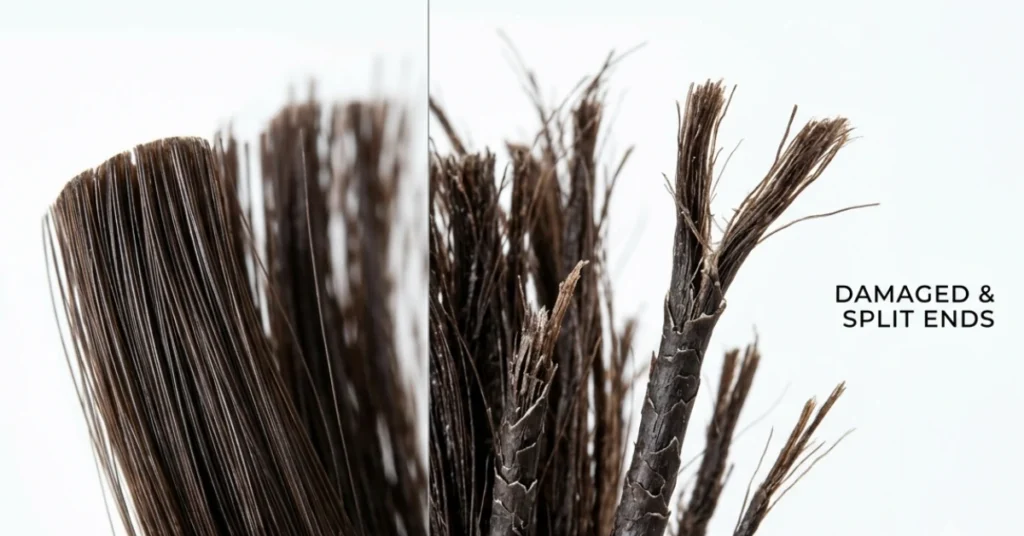
Regular hair trims remove split ends before they travel farther up the hair shaft. This helps your hair look thicker, smoother, and easier to style.
A fresh trim also helps your haircut keep its shape. Layers stay balanced, bangs don’t fall into your eyes, and shorter styles continue to look neat.
If you’re trying to grow longer hair, skipping trims for too long often works against you. Small, timely cuts remove damaged ends before they turn into bigger problems that require cutting off more length later.
Quick Takeaway
If you’re unsure when to book your next appointment, start with the 6 to 12-week rule. Then adjust it based on your hair type, hair length, and how healthy your ends look instead of following a fixed schedule.
Factors That Determine How Often You Need a Haircut
One of the biggest mistakes I see is people following someone else’s haircut schedule. The truth is, your hair has its own needs.
A woman with a pixie cut won’t have the same routine as someone with waist-length curls. That’s why it’s important to look at a few key factors before booking your next trim.
Your Hair Length
Short Hair
Short styles lose their shape quickly. Even a few weeks of growth can make a pixie cut, bob, or cropped hairstyle look uneven.
If you wear short hair, a trim every 4 to 8 weeks usually keeps it looking fresh.
Medium-Length Hair
Medium-length hair is easier to manage. It keeps its shape longer and doesn’t need constant salon visits.
A trim every 6 to 10 weeks is enough for most women with shoulder-length styles or a lob haircut.
Long Hair
Long hair can often go longer between trims. Still, don’t ignore the ends.
Once split ends appear, they won’t repair themselves. Trimming every 8 to 16 weeks helps keep long hair healthy while protecting the length you’ve worked hard to grow.
Your Hair Type
Hair texture changes how often you should cut your hair. Some hair types hide damage well, while others show it almost immediately.
Straight Hair
Straight hair makes uneven ends easy to notice. Even small splits can stand out.
Most women with straight hair benefit from a trim every 8 to 10 weeks.
Wavy Hair
Wavy hair naturally adds movement. That means you can often wait a little longer between appointments.
A trim every 8 to 12 weeks keeps waves looking soft without losing their shape.
Curly Hair
Curly hair doesn’t always show split ends right away. The curls can hide damage for weeks.
That’s why it’s worth checking your ends regularly, even if your curls still look healthy. Most curly hair does well with trims every 8 to 12 weeks.
Coily Hair
Coily hair is often more delicate because natural oils take longer to reach the ends.
Regular trims every 10 to 12 weeks help reduce breakage and make hair easier to manage.
Your Hair Goals
The right haircut schedule also depends on what you’re trying to achieve.
Growing Your Hair Longer
Many people stop trimming their hair because they’re afraid of losing length. I’ve seen this backfire many times.
Small trims remove damaged ends before they spread. In the long run, your hair often looks longer because you avoid cutting off several inches later.
Keeping Your Current Style
If you love your current haircut, regular maintenance matters.
Layers stay balanced, bangs keep their shape, and your style looks polished without needing a major cut every few months.
Improving Hair Health
If your hair feels rough, tangles easily, or breaks when brushing, a fresh trim can make a noticeable difference.
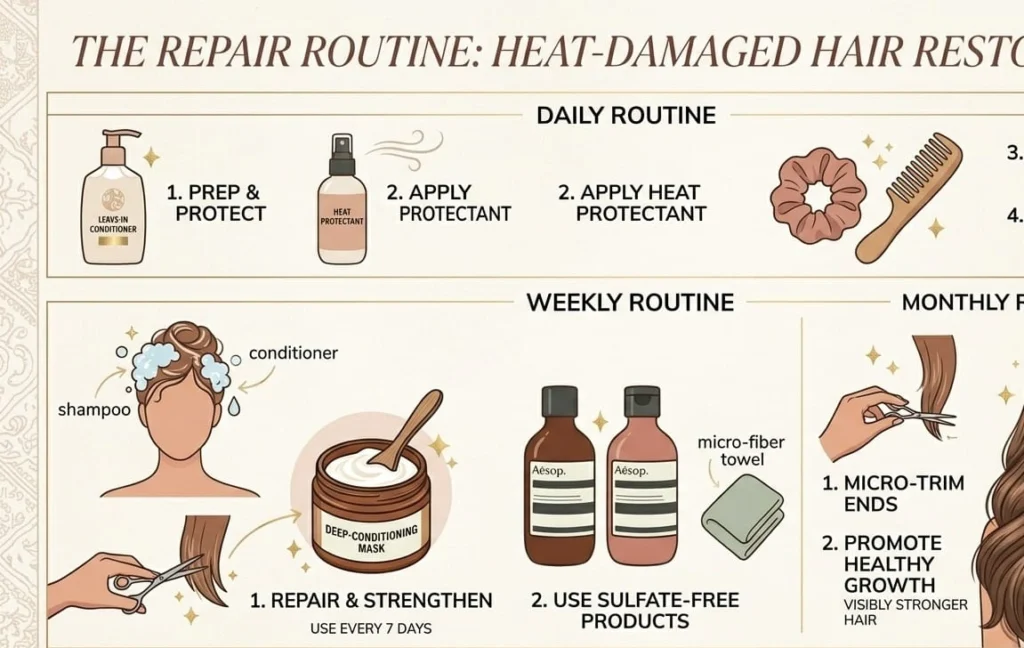
Pair regular trims with gentle hair care for the best results.
Heat Styling and Chemical Treatments
Your daily routine matters just as much as your hair type.
Bleached Hair
Bleached hair is more likely to become dry and fragile.
Most stylists suggest trimming every 6 to 8 weeks to remove weak ends before they split further.
Colored Hair
Hair color doesn’t always damage hair, but repeated coloring can leave the ends dry.
Regular trims help your color look fresher because healthy ends reflect light better.
Frequently Styled Hair
If you use a flat iron, curling iron, or blow dryer several times a week, your ends face more stress.
Watching for dryness and scheduling trims every 6 to 8 weeks can help prevent breakage.

Quick Takeaway
There’s no perfect haircut calendar for everyone. The best schedule depends on your hair length, hair type, hair goals, and how much stress your hair goes through each day.
How Often Should Women Get a Haircut Based on Hair Length?
Hair length has a big impact on how often you should visit the salon. The longer your hair grows, the more wear and tear the ends experience.
I’ve noticed that many women focus only on how long their hair is. The better question is, how healthy are the ends? Healthy long hair can often wait longer than damaged medium-length hair.
Short Hair
Short styles need the most maintenance. Even half an inch of growth can change the shape of your haircut.
Pixie Cuts
A pixie cut grows out quickly. The neckline, sides, and fringe can start looking untidy within a few weeks.
To keep the style sharp, book a trim every 4 to 6 weeks.
Bob Haircuts
A bob haircut looks its best when the lines stay clean and even. Once it grows out, the shape can lose its polished look.
Most women should trim a bob every 6 to 8 weeks.
Layered Short Hair
Layers add movement and volume, but they also lose definition as hair grows.
A trim every 6 to 8 weeks helps keep the layers balanced and easy to style.
Medium-Length Hair
Medium-length styles are a good choice if you want a balance between style and easy maintenance.
They usually hold their shape longer than short hair while still looking neat.
Shoulder-Length Hair
Shoulder-length hair often needs a trim every 6 to 10 weeks.
This helps prevent dry ends and keeps the style looking fresh without cutting too much length.
Lob Haircuts
A lob haircut works best when the ends stay blunt or softly layered.
Long Hair
Long hair may seem low maintenance, but the ends are the oldest part of your hair. They’ve been exposed to brushing, heat, weather, and daily styling for months or even years.
That’s why healthy ends matter more than the number of inches on your head.
Long Layered Hair
Long layers can lose their shape over time. The ends may also start looking thin.
A trim every 8 to 12 weeks keeps the layers looking full while removing damaged ends.
One-Length Long Hair
If your hair is one length, small split ends can become more noticeable as they spread.
Most women can wait 10 to 16 weeks, as long as the ends stay smooth and healthy.

How to Tell if Your Hair Can’t Wait Any Longer
Instead of counting weeks, pay attention to what your hair is telling you.
Look for these signs:
- Split ends that keep getting worse.
- Hair feels rough at the bottom.
- Ends tangle more easily.
- Your haircut has lost its shape.
- Styling takes longer than usual.
- Hair looks thinner at the ends.
If you notice two or more of these signs, it’s probably time to schedule a trim.
Quick Hair Length Trim Guide
| Hair Length | Recommended Trim Schedule |
|---|---|
| Pixie Cut | Every 4–6 weeks |
| Short Bob | Every 6–8 weeks |
| Layered Short Hair | Every 6–8 weeks |
| Shoulder-Length Hair | Every 6–10 weeks |
| Lob Haircut | Every 6–8 weeks |
| Long Layered Hair | Every 8–12 weeks |
| One-Length Long Hair | Every 10–16 weeks |
Quick Takeaway
Your hair length gives a good starting point, but your hair health should always make the final decision. If the ends still feel soft and look healthy, you may be able to wait a little longer before your next haircut.
How Often Should Women Get a Haircut Based on Hair Type?
Two women can have hair that reaches the same length but need completely different trim schedules.
I’ve seen this happen many times. One woman can go three months without a trim, while another notices dry, frayed ends after just a few weeks.
Straight Hair
Straight hair reflects light well, so uneven or damaged ends are easier to spot.
Most women with straight hair should get a trim every 8 to 10 weeks. This keeps the ends neat and helps the hair look smooth from root to tip.
Best For
- Keeping blunt cuts sharp
- Reducing visible split ends
- Maintaining sleek hairstyles
Wavy Hair
Wavy hair has natural movement, so it often hides uneven ends better than straight hair.
A trim every 8 to 12 weeks is usually enough to keep waves soft and healthy without losing their natural shape.
Best For
- Keeping waves defined
- Preventing dry ends
- Reducing frizz
Curly Hair
Curly hair follows a different pattern. Because the strands twist and coil, split ends aren’t always easy to see.
That doesn’t mean they’re not there.
Most women with curly hair benefit from a haircut every 8 to 12 weeks. Regular trims help curls stay bouncy and reduce breakage.
Signs Your Curly Hair Needs a Trim
- Curls lose their shape.
- Ends feel dry.
- Hair knots more often.
- Styling takes longer than usual.
Coily Hair
Coily hair is naturally beautiful, but it’s also one of the most delicate hair types.
Natural oils travel slowly along tightly coiled strands, so the ends can become dry more quickly.
A trim every 10 to 12 weeks helps remove weak ends while keeping as much healthy length as possible.
Why Regular Trims Help
- Reduce breakage
- Keep ends healthy
- Make detangling easier
- Help styles last longer
Fine Hair vs. Thick Hair
Hair thickness also changes how often you should book a haircut.
Fine Hair
Fine hair can lose volume when the ends become thin.
A trim every 6 to 8 weeks helps hair look fuller and keeps the shape looking fresh.
Thick Hair
Thick hair usually holds its style longer.
Most women with thick hair can wait 8 to 12 weeks, depending on the haircut and daily styling routine.
Hair Type Trim Schedule
| Hair Type | Recommended Haircut Schedule |
|---|---|
| Straight Hair | Every 8–10 weeks |
| Wavy Hair | Every 8–12 weeks |
| Curly Hair | Every 8–12 weeks |
| Coily Hair | Every 10–12 weeks |
| Fine Hair | Every 6–8 weeks |
| Thick Hair | Every 8–12 weeks |
Quick Takeaway
Your hair type tells you a lot about when to get a haircut. Instead of copying someone else’s schedule, pay attention to how your own hair feels, styles, and responds between trims. That’s often the best guide
Professional Stylist Recommendations
Getting advice from a professional stylist can save you from guessing. They don’t just look at your hair length. They also check your hair texture, hair health, and how your hair responds to daily styling.
What Most Hair Stylists Recommend
Most hairstylists agree that regular trims help keep hair looking healthy. The exact timing depends on your haircut, but many women benefit from a trim every 6 to 12 weeks.
A stylist can also spot early signs of split ends, dryness, and breakage before they become bigger problems.
Ask Your Stylist These Questions
- Is my hair showing signs of damage?
- Are my ends still healthy?
- Can I wait a few more weeks before my next trim?
- What’s the best haircut schedule for my hair type?
When You Can Wait Longer Between Haircuts
Not everyone needs frequent salon visits.
You may be able to wait longer if:
- Your hair is healthy.
- You rarely use heat tools.
- You don’t color or bleach your hair.
- You’re happy with your current shape.
- Your ends still feel smooth.
Even then, check your hair every few weeks instead of relying only on the calendar.
When You Should Book Earlier
Some situations call for an earlier trim.
Book your next appointment sooner if you notice:
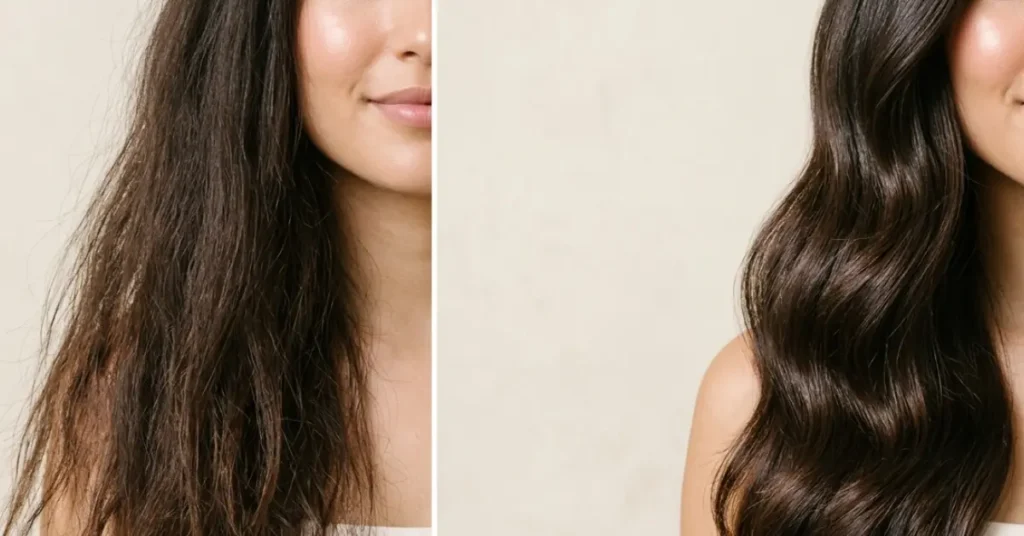
- Split ends
- Hair breaking easily
- Dry, rough ends
- A haircut that has lost its shape
- More tangles than usual
A small trim now can prevent a much bigger cut later.
Quick Takeaway
Your hairstylist sees things you may miss. Regular check-ins help keep your hair healthy while creating a trim schedule that fits your hair instead of following a one-size-fits-all rule.
Common Haircut Mistakes Women Make
Small mistakes can slowly damage your hair. The good news is they’re easy to avoid once you know what to look for.
Waiting Too Long Between Trims
Skipping trims for months may seem like a good way to grow your hair.
In reality, split ends continue to spread. You often end up cutting off more length than you planned.
Ignoring Split Ends
Split ends don’t heal on their own.
Hair products may make them look smoother for a while, but trimming is the only way to remove them completely.
Using Too Much Heat
Daily use of flat irons, curling irons, and blow dryers puts stress on your hair.
If you style with heat often, regular trims become even more important.
Choosing a Schedule That Doesn’t Match Your Hair
Your friend’s routine may not work for you.
Your hair type, hair texture, length, and styling habits should decide when it’s time for a haircut.
Skipping Hair Care Between Haircuts
A haircut is only one part of healthy hair.
Using conditioner, reducing heat, eating a balanced diet, and protecting your hair from damage all help keep your ends healthy between salon visits.
Quick Takeaway
Healthy hair comes from good habits, not just frequent haircuts. A simple routine and timely trims usually give the best results.
Frequently Asked Questions
Is it bad to go a year without a haircut?
For many women, waiting an entire year isn’t ideal. Healthy hair may survive longer between trims, but split ends and breakage often become worse over time. Regular trims help keep the ends healthy and reduce the need for a much bigger haircut later.
If your hair still feels smooth and shows no signs of damage, you may not need frequent trims. Still, checking your ends every few months is a smart habit.
How often should women with long hair get a trim?
Most women with long hair should get a trim every 8 to 16 weeks, depending on the condition of their ends, daily styling routine, and overall hair health.
If you use heat tools often or color your hair regularly, you may need trims a little sooner.
How often should curly hair be cut?
Most women with curly hair benefit from a haircut every 8 to 12 weeks. This helps remove damaged ends while keeping curls healthy, defined, and easier to manage.
Always choose a stylist who understands curly hair if possible.
Can regular haircuts make hair grow faster?
No. Haircuts don’t change how fast your hair grows. They remove damaged ends, which helps hair stay healthier and break less, making it look longer over time.
Hair growth starts at the scalp, not at the ends.
Final Thoughts
There’s no perfect haircut schedule that works for every woman.
The best time for a haircut depends on your hair type, hair length, hair health, and your personal goals.
I’ve found that paying attention to your hair works better than watching the calendar. When your ends stay smooth, your style holds its shape, and your hair feels healthy, you’re probably on the right schedule.
Take a close look at your hair today. It may already be telling you when it’s time for your next trim.