Heat styling tools like flat irons, curling wands, and blow dryers can help you achieve sleek or voluminous hairstyles, but frequent use often comes at a cost. Over time, high temperatures strip moisture from your hair, weaken the protective cuticle, and leave strands dry, frizzy, brittle, and prone to breakage.
The good news is that while hair that’s already damaged cannot be restored to its original, undamaged state, you can significantly improve how it looks and feels, reduce further breakage, and support healthier new growth with the right routine. Consistent care, nourishing products, and smarter styling habits can make a noticeable difference within a few weeks.
In this guide, you’ll learn how to identify heat damage, what causes it, and the most effective ways to repair and protect your hair.
What Is Heat-Damaged Hair?
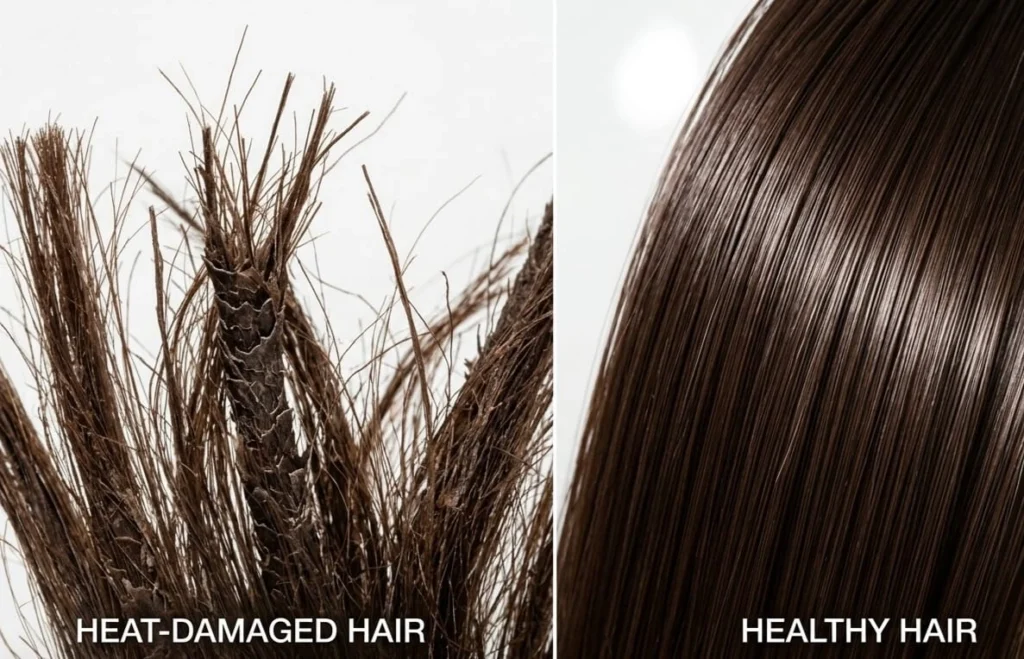
Heat-damaged hair occurs when repeated exposure to high temperatures weakens the hair cuticle—the outer protective layer of each strand. As the cuticle becomes damaged, moisture escapes more easily, leaving hair rough, dull, and difficult to manage.
Unlike healthy hair, heat-damaged strands often lose their elasticity and natural shine. They may also become more vulnerable to split ends and breakage.
Who Is Most at Risk?
Anyone who regularly uses heat styling tools can experience heat damage, but the risk is higher if you:
- Blow-dry your hair several times a week.
- Use a flat iron or curling iron above 350°F (177°C).
- Skip heat protectant products.
- Have color-treated or bleached hair.
- Frequently switch between chemical treatments and heat styling.
Common Signs of Heat Damage
Watch for these warning signs:
- Dry, rough texture
- Excessive frizz
- Split ends
- Hair breakage
- Dull appearance
- Loss of curl pattern
- Hair that tangles easily
- Ends that feel stiff or straw-like
- Hair that snaps when brushed
- Reduced shine and softness
Can Heat-Damaged Hair Be Repaired?
However, many treatments can strengthen damaged strands, smooth the cuticle, improve moisture retention, and reduce breakage. Trimming severely damaged ends and protecting new growth are key parts of recovery.
How to Know If Your Hair Is Heat Damaged
Not all damaged hair looks the same. Identifying the severity of the problem helps you choose the right treatment.
Mild Damage
- Slight dryness
- Minor frizz
- Ends feel rough
- Hair still feels flexible
Best approach: Add moisture with weekly deep-conditioning treatments and reduce heat styling.
Moderate Damage
- Noticeable breakage
- Split ends
- Increased tangling
- Loss of shine
- Hair feels weaker than usual
Best approach: Combine deep conditioning with bond-building treatments and trim damaged ends.
Severe Damage
- Hair snaps easily
- Burnt or crispy ends
- Extreme dryness
- Significant breakage
- Curl pattern no longer returns
Best approach: Trim the most damaged sections, stop using heat tools temporarily, and follow an intensive repair routine. If the damage is severe or accompanied by scalp issues, consult a licensed hairstylist or dermatologist.
What Causes Heat Damage?
Heat damage often develops gradually through repeated styling rather than from a single session.
Common causes include:
- Using flat irons on the highest setting.
- Blow-drying without heat protectant.
- Holding curling irons in one spot for too long.
- Styling the same section repeatedly.
- Combining bleaching with frequent heat styling.
- Using hot tools on damp hair unless the tool is specifically designed for that purpose.
- Daily use of heated styling tools without giving hair time to recover.
Things to Consider Before Starting Hair Repair
Before buying products or changing your routine, think about these factors.
Hair Type
Fine hair usually needs lightweight moisturizing products, while thick or coarse hair often benefits from richer creams and masks.
Hair Porosity
High-porosity hair loses moisture quickly and often requires more frequent conditioning.
Damage Severity
Severe breakage may require a more intensive routine and professional advice.
Lifestyle
If you style your hair every morning, consider switching to heatless hairstyles several days a week to reduce further damage.
Budget
A consistent routine with quality basics often delivers better results than buying multiple trendy products.
1. Take a Break From Heat Styling
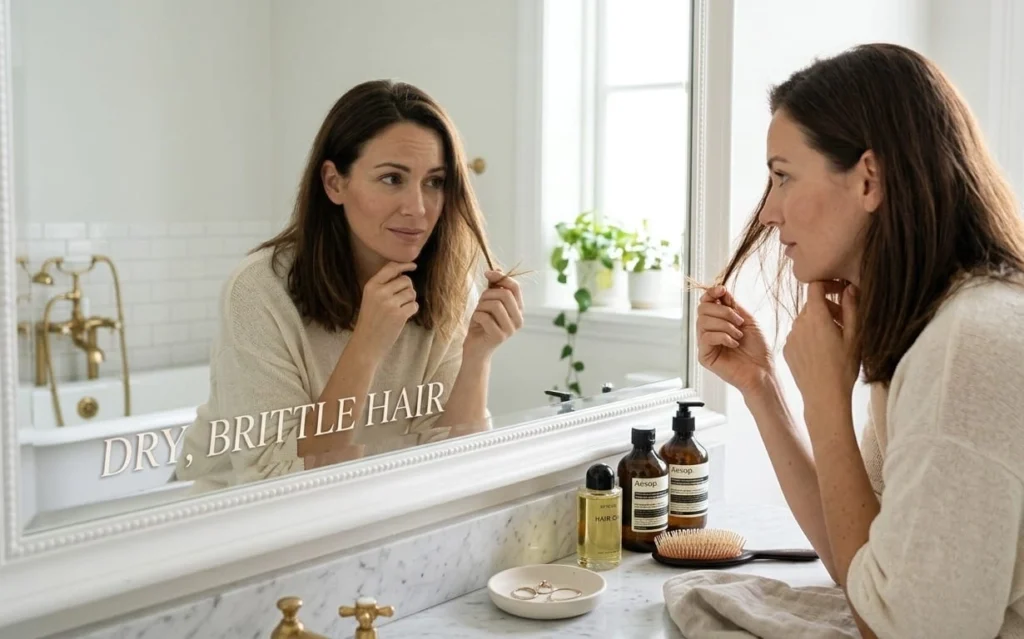
The first step to repairing heat-damaged hair is to reduce or pause the use of hot tools. Giving your hair time to recover helps prevent additional moisture loss and breakage.
Best For: All hair types
Benefits
- Prevents further damage
- Reduces breakage
- Helps treatments work more effectively
- Supports healthier-looking hair over time
Drawbacks
- You may need to adjust your styling routine temporarily.
Expert Tip
Try air-drying your hair whenever possible or use overnight heatless styling methods such as braids or soft rollers.
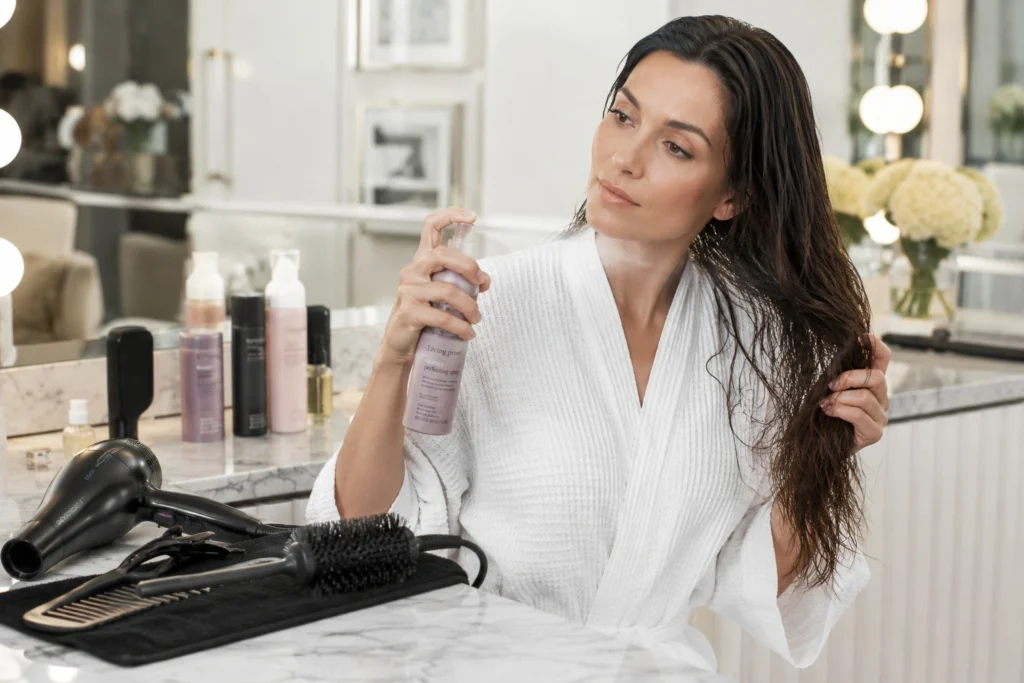
2. Always Use a Heat Protectant
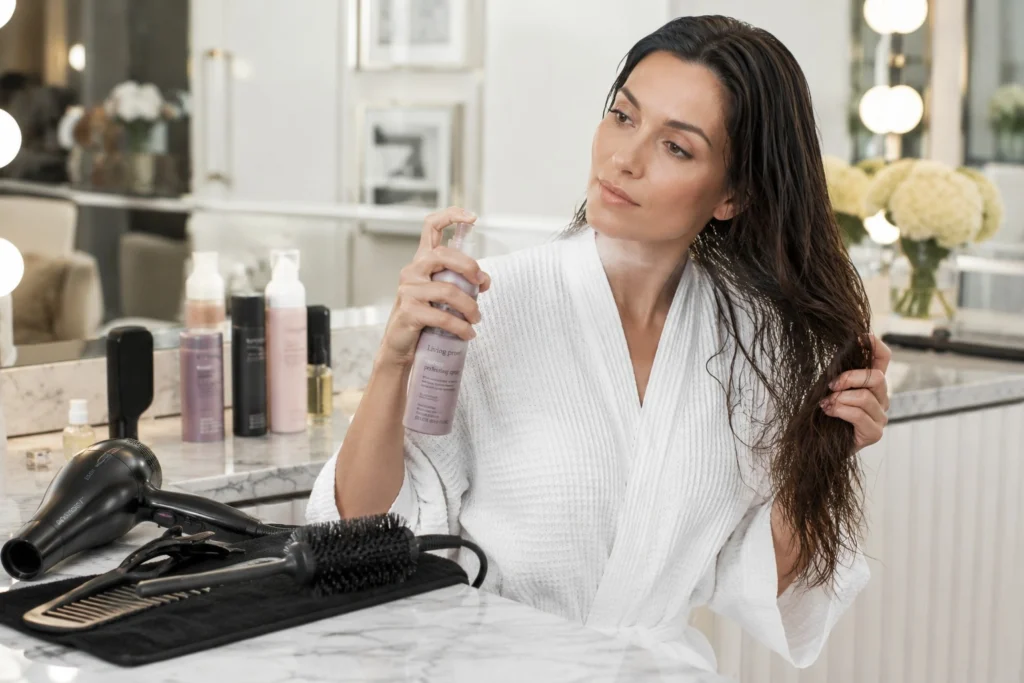
If you use hot tools, a heat protectant is essential. These products create a lightweight barrier around the hair shaft, helping reduce moisture loss and minimize damage from styling.
Best For: Anyone who blow-dries, curls, or straightens their hair.
Benefits
- Helps reduce heat damage
- Improves smoothness
- Controls frizz
- Adds shine
Drawbacks
- Heat protectants reduce risk but do not eliminate it. Using excessive temperatures can still damage hair.
Expert Tip
Apply heat protectant evenly to damp hair before blow-drying or to dry hair before using other hot tools. Follow the product’s directions, as application methods vary.
3. Deep Condition Once a Week
Deep-conditioning masks restore moisture, improve softness, and help reduce dryness caused by repeated heat styling.
Best For: Dry, brittle, or frizzy hair
Benefits
- Replenishes moisture
- Improves manageability
- Reduces frizz
- Leaves hair feeling softer
Drawbacks
- Results require consistent use over time.
Expert Tip
Focus the mask on the mid-lengths and ends, where heat damage is usually most noticeable.
4. Try Bond-Building Treatments
Bond-building products are designed to help reinforce weakened hair by targeting damaged bonds within the hair structure. They can be especially helpful for hair that has been exposed to frequent heat styling or chemical processing.
Best For: Color-treated, bleached, or heavily heat-styled hair
Benefits
- Strengthens weakened strands
- Helps reduce breakage
- Improves hair’s overall appearance
- Supports healthier-looking hair
Drawbacks
- Premium bond-building treatments can be more expensive than traditional conditioners.
Expert Tip
Use bond-building treatments according to the manufacturer’s instructions and combine them with moisturizing products for balanced care.
5. Balance Protein and Moisture
Healthy hair needs both protein and moisture. Too little protein can leave hair weak, while too much protein may make it feel stiff or brittle. Likewise, moisture helps maintain softness and flexibility.
Best For: Hair that feels weak, dry, or lacks elasticity
Benefits
- Improves strength and flexibility
- Helps reduce breakage
- Restores softness
- Supports healthier-looking hair
Drawbacks
- Finding the right balance may take some experimentation based on your hair type and condition.
Expert Tip
If your hair feels dry and rough, prioritize moisture. If it stretches excessively before breaking, a protein treatment may help. Avoid overusing either type of treatment, and adjust your routine based on how your hair responds.
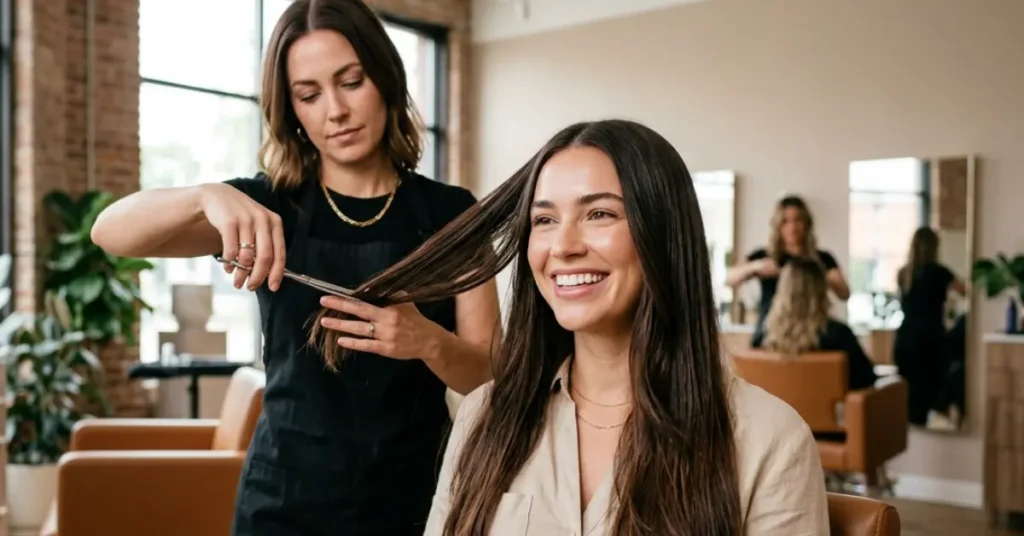
6. Trim Split Ends Regularly
Split ends cannot be repaired permanently. Trimming them prevents the damage from traveling further up the hair shaft and helps your hair look healthier.
Best For: Hair with split ends and breakage
Benefits
- Prevents further splitting
- Improves overall appearance
- Makes hair easier to manage
Drawbacks
- Doesn’t restore lost length
Expert Tip: Schedule a trim every 8–12 weeks, or sooner if your hair is heavily damaged.
7. Switch to a Sulfate-Free Shampoo
Harsh shampoos can strip away natural oils, making heat-damaged hair feel even drier. Sulfate-free formulas cleanse more gently while helping maintain moisture.
Best For: Dry, color-treated, and damaged hair
Benefits
- Gentle cleansing
- Helps retain moisture
- Reduces dryness
- Safe for color-treated hair
Drawbacks
- May produce less lather than traditional shampoos
Expert Tip: Wash your hair only 2–3 times per week, unless your hair type or scalp condition requires more frequent cleansing.
8. Apply a Leave-In Conditioner
Leave-in conditioners provide continuous hydration, reduce frizz, and make hair easier to detangle throughout the day.
Best For: Dry, frizzy, and tangled hair
Benefits
- Locks in moisture
- Improves softness
- Reduces breakage
- Controls frizz
Drawbacks
- Using too much can weigh down fine hair
Expert Tip: Apply mainly to the mid-lengths and ends rather than the roots.
9. Use Lightweight Hair Oils
Hair oils help smooth the cuticle, reduce frizz, and add shine. While they won’t repair damaged hair, they can improve its appearance and reduce friction.
Best For: Medium to thick hair
Benefits
- Adds shine
- Controls frizz
- Softens rough ends
- Helps protect against dryness
Drawbacks
- Heavy oils may weigh down fine hair
Expert Tip: Use only 1–3 drops on dry ends for a lightweight finish.
10. Sleep on a Silk or Satin Pillowcase
Cotton pillowcases create more friction, which can contribute to tangles and breakage. Silk or satin surfaces allow hair to glide more smoothly.
Best For: All hair types
Benefits
- Reduces friction
- Minimizes breakage
- Helps reduce morning frizz
- Protects hairstyles overnight
Drawbacks
- Higher initial cost than cotton pillowcases
Expert Tip: Pair your pillowcase with a loose braid or satin bonnet for extra protection.
11. Wash Your Hair Less Often
Overwashing removes natural oils that help protect and moisturize hair.
Best For: Dry and heat-damaged hair
Benefits
- Retains natural moisture
- Reduces dryness
- Improves softness
Drawbacks
- May require dry shampoo between washes
Expert Tip: Adjust your washing schedule based on your scalp type rather than following a fixed routine.
12. Protect Hair From UV Exposure
Sun exposure can worsen dryness and fade hair color, especially in damaged or chemically treated hair.
Best For: Outdoor activities and summer months
Benefits
- Helps preserve moisture
- Protects color-treated hair
- Reduces environmental stress
Drawbacks
- Requires consistent protection
Expert Tip: Wear a wide-brim hat or use hair products that include UV protection when spending extended time outdoors.
13. Try Heatless Hairstyles
Heatless styling reduces further damage while still allowing you to achieve curls, waves, or volume.
Best For: Daily styling
Benefits
- Prevents additional heat damage
- Saves styling time
- Encourages healthier hair
Drawbacks
- Some methods require overnight preparation
Expert Tip: Experiment with braids, foam rollers, or heatless curling ribbons for different looks.
14. Support Hair Health With Good Nutrition
Healthy hair starts from within. A balanced diet provides nutrients needed for normal hair growth.
Focus on foods rich in:
- Protein
- Iron
- Zinc
- Omega-3 fatty acids
- Vitamins A, C, D, and E
- Biotin (if recommended by a healthcare professional)
Benefits
- Supports healthy new hair growth
- Improves overall hair quality
Drawbacks
- Changes take time and won’t repair existing damaged strands
Expert Tip: If you suspect a nutrient deficiency, consult a healthcare professional before taking supplements.
15. Consider Professional Hair Treatments
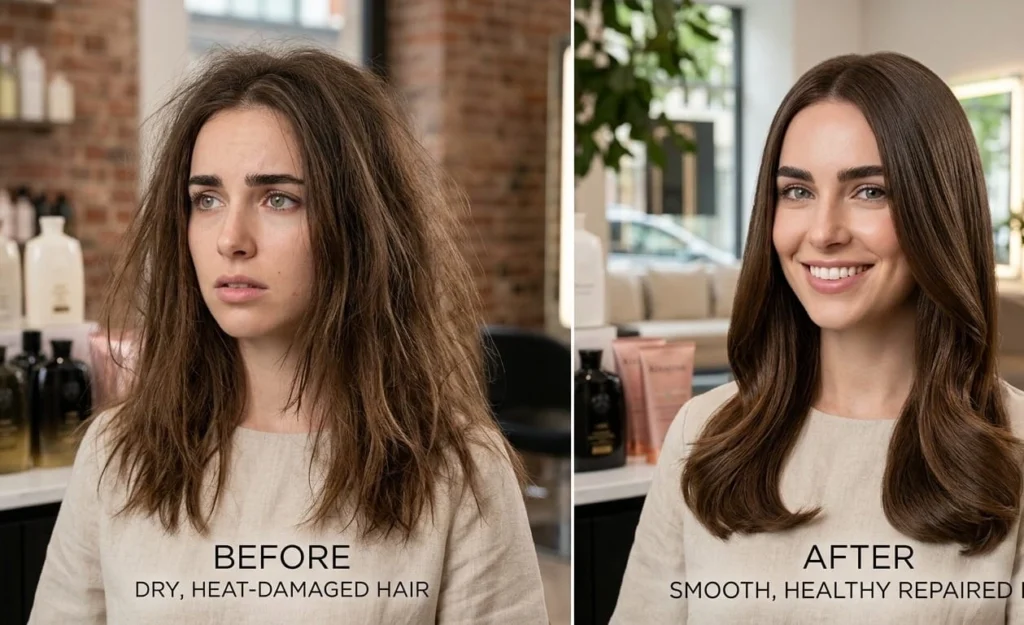
Salon treatments may help improve the appearance and manageability of damaged hair, depending on the type of damage.
Options include:
- Bond-building treatments
- Deep-conditioning treatments
- Hair gloss services
- Professional trims
Benefits
- More intensive care
- Customized treatment plan
- Professional guidance
Drawbacks
- Higher cost
- May require multiple appointments
Expert Tip: Ask your stylist which treatment is appropriate for your hair type and goals rather than choosing solely based on trends.
Heat Damage Repair Routine by Hair Type
| Hair Type | Best Repair Routine |
|---|---|
| Fine Hair | Lightweight leave-in conditioner, weekly mask, heat protectant |
| Thick Hair | Deep-conditioning mask, nourishing oil, bond-building treatment |
| Straight Hair | Moisture-focused routine with weekly deep conditioning |
| Wavy Hair | Curl cream, leave-in conditioner, low-heat styling |
| Curly Hair | Weekly deep mask, leave-in conditioner, satin pillowcase |
| Coily Hair | Rich conditioner, protective styles, moisturizing oils |
| Bleached Hair | Bond-building treatment, protein-moisture balance |
| Color-Treated Hair | Sulfate-free shampoo, UV protection, weekly mask |
30-Day Heat Damage Recovery Plan
| Week | Focus | Goal |
|---|---|---|
| Week 1 | Stop heat styling, deep condition | Restore moisture |
| Week 2 | Bond-building treatment, trim split ends | Strengthen weak strands |
| Week 3 | Add leave-in conditioner and hair oil | Reduce frizz and breakage |
| Week 4 | Resume minimal heat styling (if needed) with heat protectant | Maintain healthier hair |
Product Buying Guide
Budget-Friendly Essentials
- Sulfate-free shampoo
- Moisturizing conditioner
- Weekly hair mask
- Heat protectant spray
- Microfiber towel
Mid-Range Choices
- Leave-in conditioner
- Lightweight hair serum
- Hair oil
- Protein treatment
- Satin pillowcase
Premium Options
- Bond-building treatment
- Professional deep-conditioning treatment
- High-quality hair dryer with adjustable heat settings
- Professional styling tools with temperature control
Ingredients to Look For
- Glycerin
- Shea butter
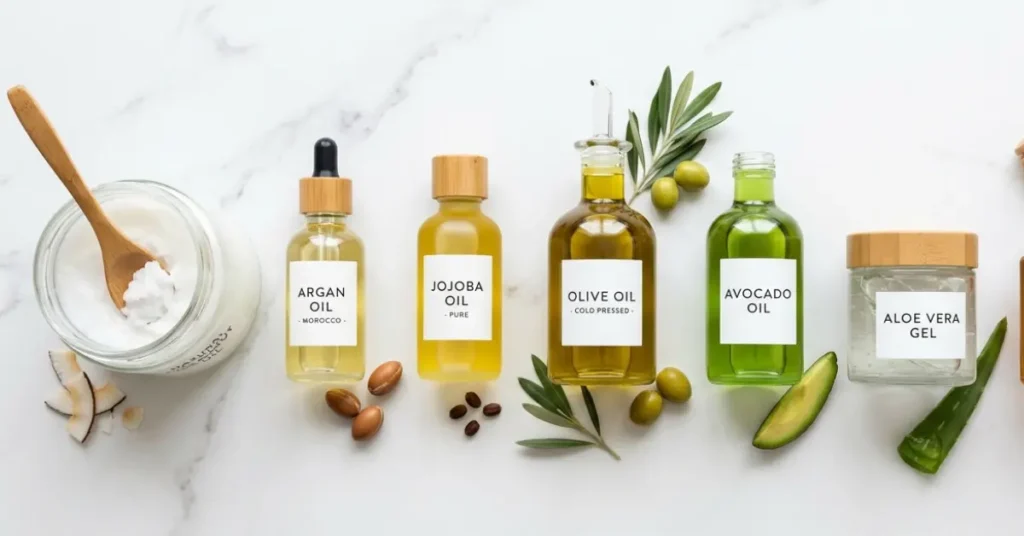
- Argan oil
- Coconut oil
- Ceramides
- Hydrolyzed proteins
- Panthenol
- Aloe vera
Ingredients to Be Cautious About
- Harsh sulfates (for dry or color-treated hair)
- High amounts of drying alcohols in leave-on products
- Excessive fragrance if you have a sensitive scalp
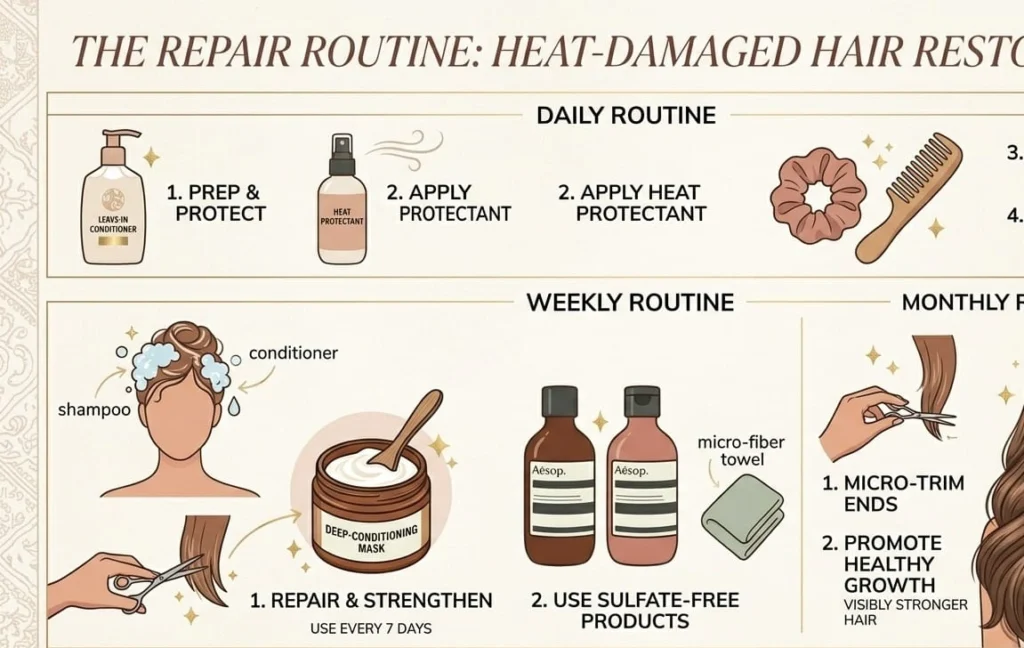
Daily, Weekly & Monthly Hair Care Routine
Following a consistent routine is one of the best ways to improve the appearance of heat-damaged hair and protect healthy new growth.
Daily Routine
- Apply a leave-in conditioner to damp hair.
- Minimize heat styling whenever possible.
- Detangle gently with a wide-tooth comb.
- Protect your hair from excessive sun exposure with a hat or UV-protective hair products.
Weekly Routine
- Wash with a sulfate-free shampoo.
- Apply a bond-building treatment if your hair is severely damaged.
- Massage your scalp for a few minutes to support a healthy scalp environment.
Monthly Routine
- Trim split ends every 8–12 weeks.
- Replace worn-out brushes or combs that snag hair.
- Review your hair care products and adjust your routine based on your hair’s condition.
Professional Hair Care
Book a salon visit if you notice:
- Severe breakage
- Hair that feels gummy or overly stretchy when wet
- Burnt ends that continue to split
- Damage after bleaching or chemical treatments
A licensed hairstylist can recommend treatments based on your hair type and the extent of the damage.
Common Mistakes That Make Heat Damage Worse
- Using the highest heat setting every time.
- Skipping heat protectant.
- Styling the same section repeatedly.
- Using hot tools on damp hair unless they are designed for it.
- Washing your hair too often.
- Ignoring split ends.
- Brushing wet hair roughly.
- Overusing protein treatments.
- Continuing daily heat styling despite visible damage.
- Buying products without considering your hair type.
Seasonal Hair Care Tips
Summer
- Protect hair from UV exposure.
- Rinse hair after swimming in chlorine or saltwater.
- Use a hydrating hair mask weekly.
Winter
- Increase moisture with richer conditioners.
- Reduce heat styling to prevent dryness.
- Apply a lightweight hair oil to the ends.
Humid Weather
- Choose anti-frizz products.
Dry Climates
- Use leave-in conditioners regularly.
- Deep condition weekly to combat moisture loss.
Travel Tips
- Pack travel-size hair care essentials.
- Bring a microfiber towel to reduce friction.
- Limit heat styling while traveling.
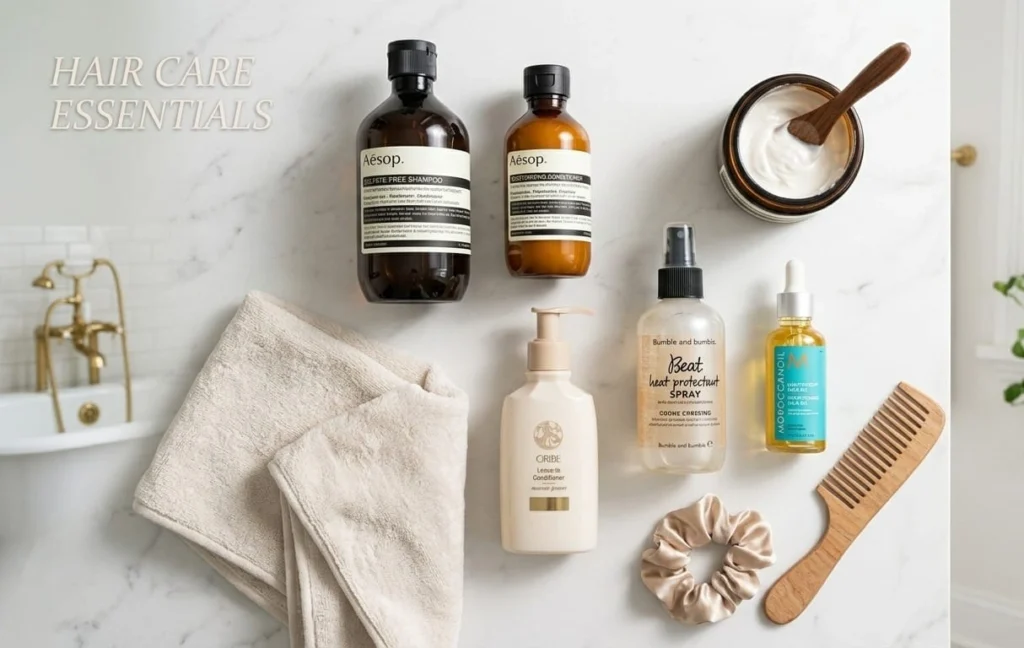
Expert Recommendations
Best Routine for Mild Heat Damage
- Sulfate-free shampoo
- Moisturizing conditioner
- Weekly deep-conditioning mask
- Heat protectant before styling
Best Routine for Moderate Damage
- Weekly bond-building treatment
- Leave-in conditioner
- Hair oil for the ends
- Trim every 8–10 weeks
Best Routine for Severe Damage
- Pause heat styling for several weeks.
- Trim heavily damaged ends.
- Alternate moisture and protein treatments as needed.
- Consult a professional hairstylist if damage is extensive.
Quick Comparison Table
| Problem | Best Solution | Time to Notice Improvement* |
|---|---|---|
| Dry Hair | Deep-conditioning mask | 1–2 weeks |
| Frizz | Leave-in conditioner + hair oil | 1–3 weeks |
| Breakage | Bond-building treatment + trims | 4–8 weeks |
| Split Ends | Hair trim | Immediate improvement in appearance |
| Dull Hair | Moisture routine + heat protection | 2–4 weeks |
*Results vary depending on the severity of damage, hair type, and consistency of care.
Heat Damage Prevention Checklist
| Habit | Recommended |
|---|---|
| Use heat protectant | ✔ Yes |
| Keep styling tools at a moderate temperature | ✔ Yes |
| Deep condition weekly | ✔ Yes |
| Trim split ends regularly | ✔ Yes |
| Use heat styling every day | ✘ No |
| Skip leave-in conditioner on dry hair | ✘ No |
Frequently Asked Questions
Can heat-damaged hair be repaired naturally?
Natural oils and conditioning treatments can improve softness and reduce dryness, but they cannot permanently repair damaged hair. Consistent care helps improve its appearance and protect new growth.
Should I cut off damaged hair?
Trimming split ends is one of the most effective ways to prevent further splitting and improve the overall appearance of your hair.
What is the best treatment for heat-damaged hair?
A routine that combines deep conditioning, bond-building treatments (when appropriate), heat protection, and regular trims is often the most effective.
Can coconut oil repair heat damage?
Coconut oil can help reduce protein loss and improve softness, but it cannot reverse existing heat damage.
Is it okay to use a hair dryer?
Yes, but use a lower heat setting when possible, apply a heat protectant first, and avoid holding the dryer too close to your hair.
How often should I deep condition?
Most people with heat-damaged hair benefit from deep conditioning once a week. Very dry hair may benefit from twice-weekly treatments, depending on the product and hair type.
Does heat damage cause hair loss?
Heat damage mainly causes breakage along the hair shaft. If you’re experiencing significant shedding from the scalp or patchy hair loss, consult a healthcare professional to identify the underlying cause.
Final Verdict
Learning how to repair heat-damaged hair for women starts with understanding that recovery is a gradual process. While damaged strands can’t be restored to their original condition, you can strengthen them, reduce breakage, and support healthier new growth with the right routine.
Focus on reducing heat styling, using a heat protectant every time you style, deep conditioning regularly, and trimming split ends before they worsen. If your hair is severely damaged, consider professional guidance from a licensed hairstylist.
Healthy hair isn’t achieved overnight, but with consistent care and realistic expectations, you can improve your hair’s strength, softness, and shine while preventing future damage.
Pro Tip: Consistency matters more than expensive products. A simple routine followed every week often delivers better long-term results than constantly switching between new treatments.