The first time I saw curtain bangs done wrong on fine hair, it wasn’t a bad haircut exactly — it just looked heavy. No layers, no wispy edges, just a solid block of hair sitting flat across the forehead. The client hated it, and honestly, so did I. That one appointment taught me more about cutting curtain bangs for women with fine hair than any tutorial ever did.
If your hair is fine or thin, you can absolutely wear curtain bangs. You just need the right cut, the right styling routine, and the right words to say in the salon chair. This guide covers all three — no fluff, no filler.
Why Curtain Bangs Work So Well for Fine Hair
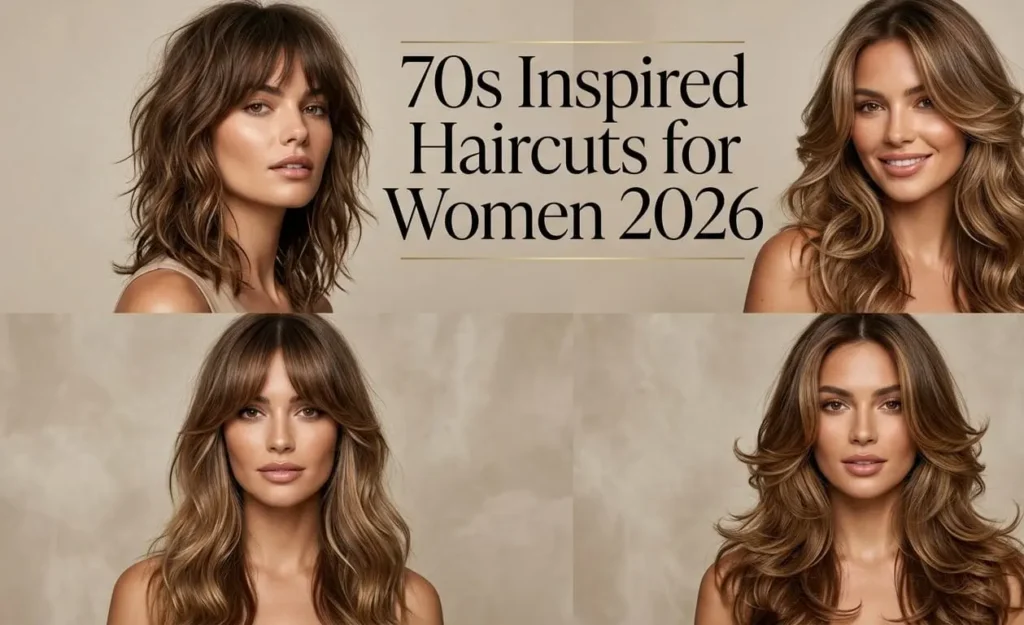
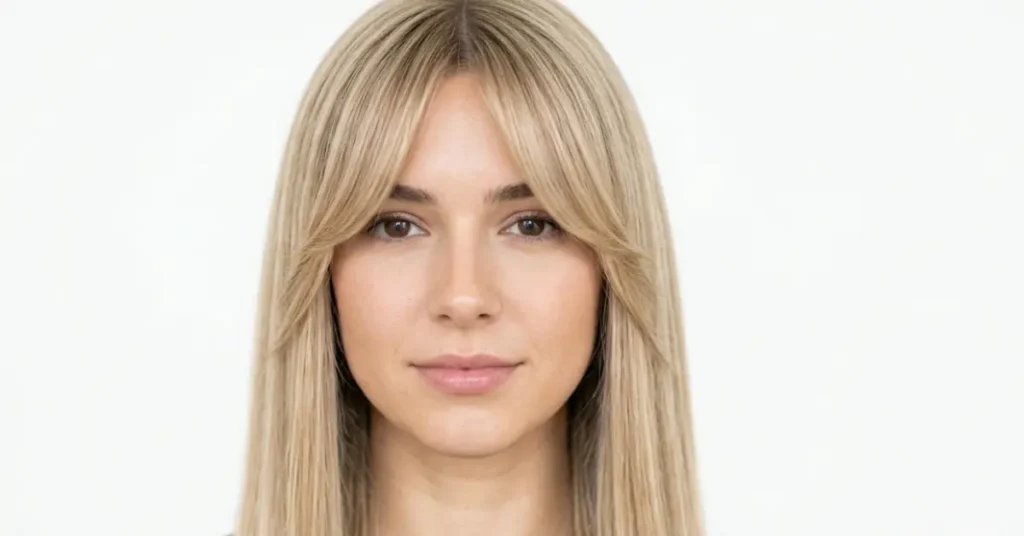
Curtain bangs create the illusion of volume because of how they’re cut, not because your hair magically gets thicker. When a stylist brings enough hair forward and angles it away from the center part, the fringe catches light and moves — and movement reads as fullness to the eye. A flat, dense chunk of hair does not move. Wispy, feathered pieces do.
Here’s something most articles skip: hair density and hair thickness are not the same thing. Thickness is the width of each individual strand. Density is how many strands you have per square inch of scalp. Two people can both say “I have fine hair” and mean completely different things — one might have fine strands but a lot of them, the other might have fine strands and low density. A good stylist needs to know which one you have, because it changes how much hair gets brought forward for the fringe.
The most common mistake I see is cutting the bangs too thick and skipping layers entirely. This backfires on fine hair every time. A heavy, blunt fringe needs density to hold its shape — without it, the ends look scraggly and the part line looks scalp-y instead of soft.
Should you get curtain bangs if your hair is genuinely thin? In most cases, yes — this is actually one of the more forgiving fringe styles for thin hair, specifically because it doesn’t demand density the way a full, blunt fringe does. The exception is if your hair is thinning at the hairline itself. In that case, talk to your stylist about a slightly longer, more feathered version that blends rather than draws a hard line right where density is lowest.
Curtain Bangs by Face Shape: What Actually Flatters Fine Hair
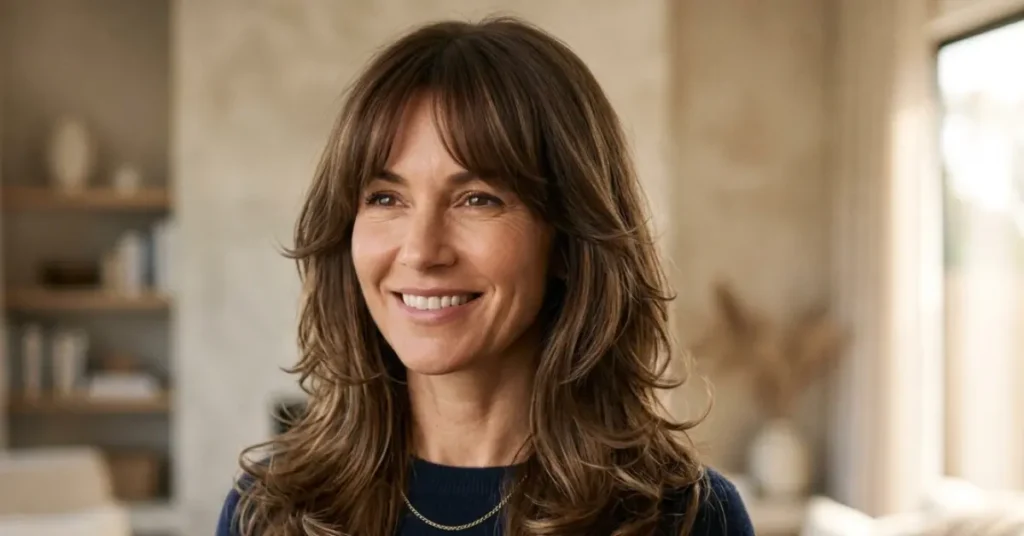
Face shape still matters with fine hair, but the goal shifts slightly — you’re not just framing your features, you’re also creating the appearance of fullness where your hair naturally lacks it.
- Oval face: Almost any curtain bang length works. Go slightly longer if you want extra face-framing volume around the cheeks.
- Round face: Choose longer, cheekbone-to-jaw length pieces. Shorter fringe on fine hair can make round faces look wider.
- Square face: Soft, wispy ends soften angular jawlines better than a blunt edge, which fine hair can’t hold well anyway.
- Heart face: A center part with slightly longer sides balances a wider forehead without adding bulk up top.
- Long face: Fuller-looking fringe (achieved through strategic layering, not thickness) shortens the appearance of the face.
One thing I’d add that most face-shape guides skip: your face shape tells you the ideal outline of the fringe, but your hair density tells you how to actually get there. A round face with very low-density hair, for example, might need slightly more length brought forward than a round face with denser fine hair — otherwise the “shortening” effect of longer sides won’t read clearly.
Curtain Bang Styles and Lengths for Fine Hair
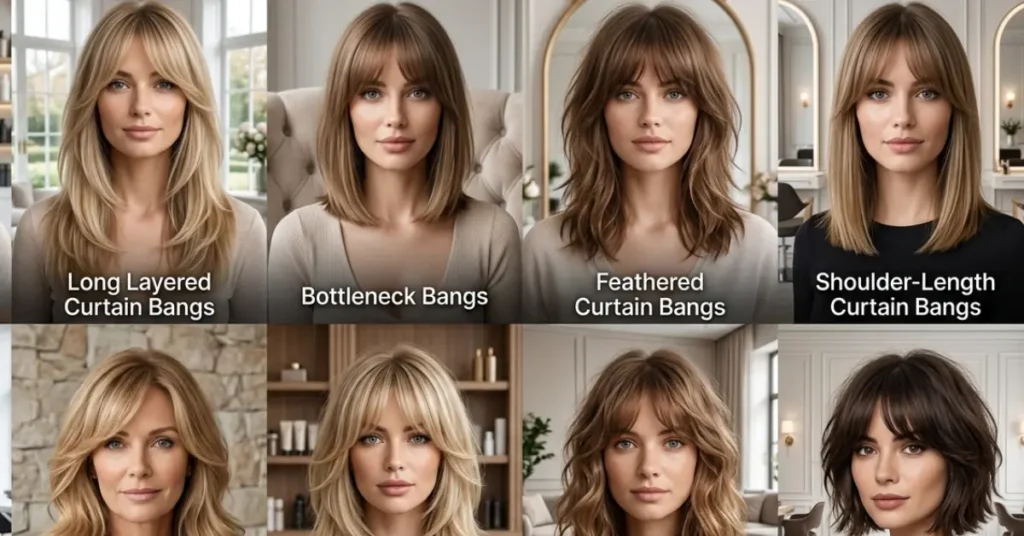
Not every version of this cut suits fine strands equally. Here’s how the main styles compare:
| Style | Best For | Length | Maintenance | Why It Works for Fine Hair |
|---|---|---|---|---|
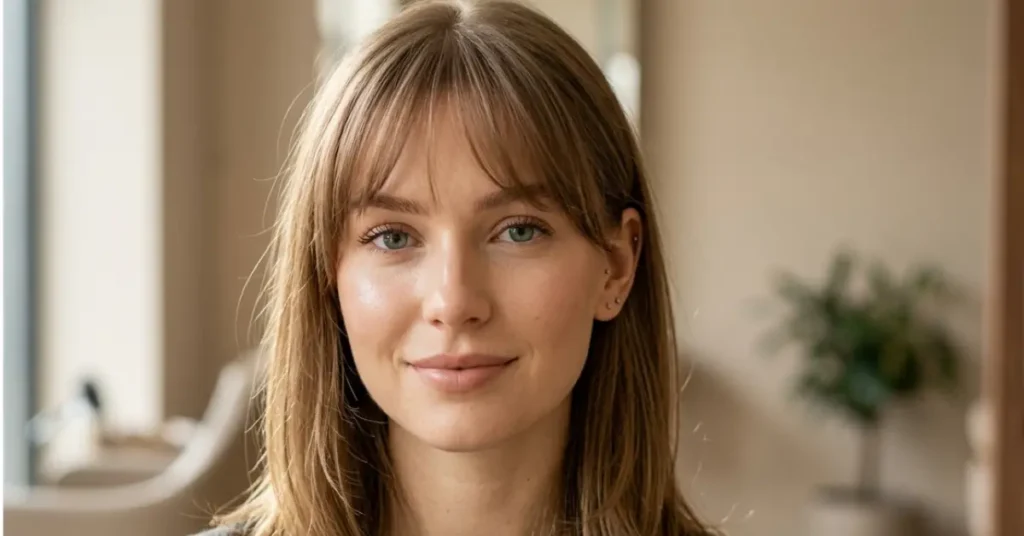
| Wispy curtain bangs | Baby-fine, low-density hair | Cheekbone | Low | Uses less hair, so it never looks sparse |
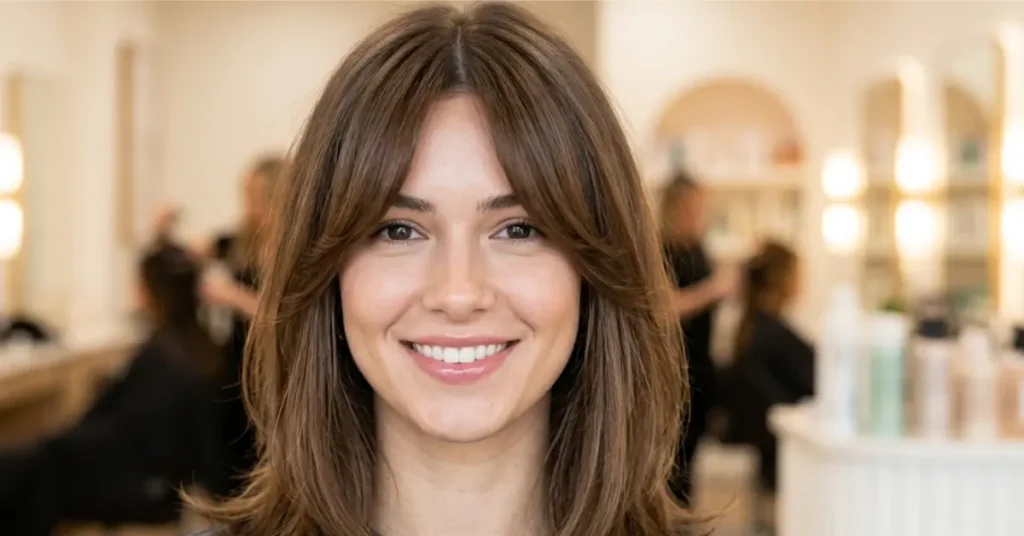
| Long curtain bangs with layers | Growing out bangs, fine-to-medium hair | Chin to collarbone | Low | Blends into layers, no harsh line |
| Feathered curtain bangs | Straight or wavy fine hair | Cheekbone to jaw | Medium | Textured ends create movement |
| Shoulder-length with curtain bangs | Fine hair with some length | Mid-length hair | Medium | Fringe balances proportion of longer hair |
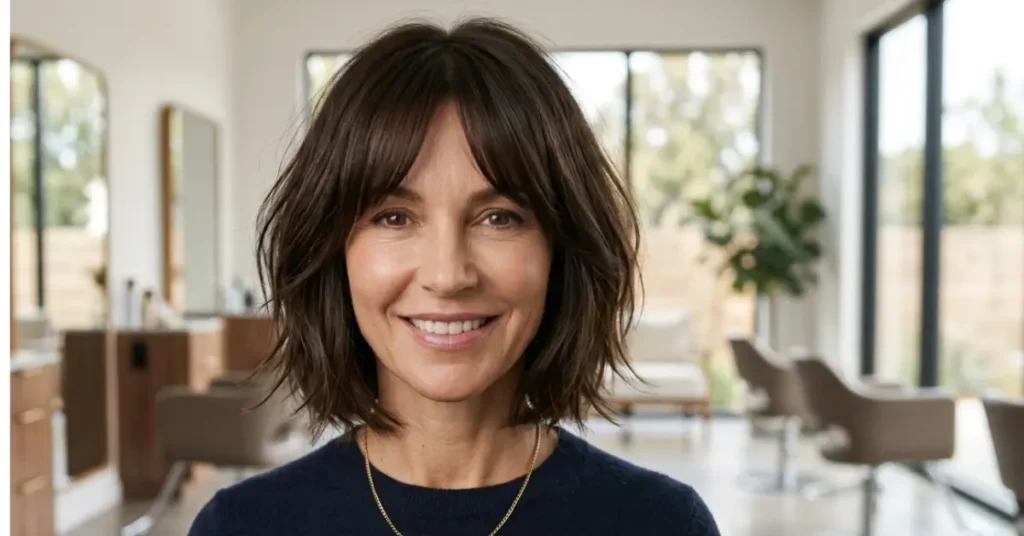
| Bob-length curtain bangs | Fine hair wanting fuller-looking crown | Chin-length bob | Medium | Shorter overall length reads denser |
| Soft curtain bangs (40+) | Mature, thinning hair | Cheekbone | Low | Softens the forehead without heaviness |
If you have baby-fine or genuinely low-density hair, start with wispy or long, layered curtain bangs. Both use the least amount of hair to create the fringe, which means there’s nothing to look thin — the style was already built for less.
Blunt, thick bangs are honestly overrated for fine hair, even though they show up constantly in trend photos. They expose thinness rather than hide it, because a straight-across edge has nowhere to disguise sparse spots. Wispy, feathered ends do the opposite — they’re underrated precisely because they hide what a blunt edge reveals.
How to Ask Your Stylist for Curtain Bangs on Fine Hair
This is the part nobody tells you, and it’s the difference between a fringe that looks intentional and one that looks accidental. Bring this exact language to your salon consultation:
- Ask for the bangs to be cut dry, not wet. Wet fine hair looks deceptively thick, and a stylist cutting wet can accidentally leave the fringe too heavy once it dries.
- Request point-cutting or texturizing shears on the ends, not a blunt straight-across cut.
- Confirm the length: cheekbone-to-jaw is the safest starting point for fine hair. Very short or very long fringe on fine strands tends to lose its shape faster.
- Bring a photo of the fringe shape and length you want — but skip photos where the model clearly has thick hair, since your stylist will need to adapt the technique anyway.
A quick real-world example: a client once came in with a photo of a full, blunt curtain fringe from a celebrity with visibly thick hair. Instead of cutting it as shown, we talked through her actual density, agreed on a longer and more feathered version, and pulled slightly less hair forward than the photo suggested. She left with a fringe that looked like the photo’s spirit — soft, face-framing, effortless — without the flat, pasted-down look a direct copy would have given her.
How to Style Curtain Bangs for All-Day Volume
This is my actual routine, the one I use every single time I style fine curtain bangs, whether it’s my own or a client’s.
- Apply root-lift spray to damp roots — not dry hair, and not after blow-drying. Applying it damp lets the product work into the hair shaft instead of just sitting on the surface.
- Rough-dry the bangs about 80% of the way with your fingers, aiming the airflow at the roots.
- Switch to a medium-barrel round brush — 1.5 to 2 inches works best for fine hair, since anything larger won’t create enough tension for lift, and anything smaller can over-curl the ends.
- Use a concentrator-nozzle blow dryer and roll the bangs under and slightly back, holding at the roots for a few seconds before releasing.
- Finish with a light texturizing spray on the ends only — never at the roots, where it will weigh the lift back down.
For a heatless refresh on day two, mist the roots with dry shampoo, flip your head upside down, and scrunch gently at the roots before flipping back and finger-styling the fringe into place.
If you’d rather skip the round brush altogether some days, small Velcro rollers are a solid backup. Set them at the roots while your hair is about 90% dry, leave them in for five to ten minutes while you finish getting ready, then remove and finger-style. It’s slower than a round brush but gives similar lift with almost no risk of over-styling fine strands.
Products That Actually Help Fine Hair Hold Curtain Bangs
| Product Type | Why It Helps | When to Use |
|---|---|---|
| Volumizing mousse | Adds body without heaviness | Applied to damp roots before drying |
| Root-lift spray | Lifts the roots specifically, not the whole strand | On damp roots, pre-blow-dry |
| Dry shampoo | Absorbs oil and adds grip/texture | Second-day styling or midday refresh |
| Lightweight hairspray | Holds shape without stiffness | Final step, light mist only |
| Heat protectant | Prevents damage from daily blow-drying | Every time heat tools are used |
Stick to lightweight formulas across the board. Heavy creams, oils, or thick styling gels are the fastest way to make fine hair curtain bangs go flat within hours.
Curtain Bangs Going Flat, Oily, or Splitting? How to Fix It
Even a well-cut fringe runs into trouble day to day.
- Going flat by midday: Your roots need more lift, not more product. Try a dry shampoo pass focused only at the roots, then use your fingers to rough up the base of the fringe.
- Splitting down the middle: This usually means the fringe is being dried in one direction only. Alternate the direction you roll the round brush on each side to train the bangs to sit apart evenly.
- Humid weather frizz: A light anti-humidity spray applied before styling holds up better than trying to fix frizz after it happens.
- Overnight flattening: Loosely clip the bangs up and away from your forehead before bed, or sleep on a silk pillowcase to reduce friction that flattens the roots overnight.
- Looking oily fast: Fine hair produces oil faster near the roots. A travel-size dry shampoo kept in your bag for a midday touch-up solves this in under a minute.
There’s a pattern behind most of these problems: fine hair has less surface texture to hold a style, so it’s more sensitive to product buildup, moisture, and friction than thicker hair.
Maintenance: Trim Schedule and Upkeep for Fine Hair Bangs
| Task | Frequency |
|---|---|
| Fringe trim | Every 3–4 weeks |
| Wash routine | Every 1–2 days, volumizing shampoo |
| Blow-dry styling | Daily or as needed |
| Product refresh (dry shampoo) | As needed, typically midday |
Curtain bangs on fine hair genuinely need that 3–4 week trim schedule. Skip it, and the fringe grows past the cheekbone into an in-between length that won’t hold a curl or lay flat — the worst of both worlds. If you’re growing them out entirely, ask your stylist to gradually blend the fringe into your layers instead of stopping trims cold turkey. That keeps the transition from ever looking like an obvious “grow-out” phase.

Frequently Asked Questions
Are curtain bangs good for fine hair? Yes. Curtain bangs use less hair than a blunt, full fringe, which means they never look sparse the way heavier bang styles can on fine strands.
Do curtain bangs make hair look thicker? Yes, through movement and face-framing placement rather than actual added density. The layered, wispy shape catches light and creates visual fullness.
Are curtain bangs high maintenance? Not especially. They need a trim roughly every 3–4 weeks and daily styling with a round brush, but they don’t require the constant touch-ups that blunt, straight-across bangs demand.
What are the best curtain bangs for women over 50 with fine hair? Soft, cheekbone-length wispy bangs tend to work best — long enough to blend naturally, short enough to stay out of the eyes without heavy styling.
Can curtain bangs work without layers? Technically yes, but it’s not recommended for fine hair. Layers are what create the movement that makes fine curtain bangs look full instead of flat.
How often should curtain bangs be trimmed? Every 3–4 weeks is the standard schedule to keep the shape and length from growing out of proportion.
Can I air-dry curtain bangs? You can, but expect less lift and shape than blow-drying gives. If you air-dry, apply root-lift spray while damp and finger-style the part as it dries.
Curtain bangs vs. bottleneck bangs — what’s the difference? Bottleneck bangs are cut shorter and more concentrated in the center, tapering out at the sides, while curtain bangs are longer and part more evenly across the whole fringe. Curtain bangs are generally the gentler, more forgiving option for fine hair.
Which face shape suits curtain bangs best? Oval faces suit nearly any curtain bang length, but the style is genuinely flattering across round, square, heart, and long face shapes when the length and layering are adjusted correctly.
Final Thoughts
The best curtain bangs for women with fine hair aren’t the trendiest ones from a photo — they’re the ones cut to match your actual hair density, styled with lightweight products, and trimmed on schedule. Bring the consultation script from this guide to your next salon appointment, be specific about your hair density, and you’ll walk out with a fringe that moves the way it’s supposed to instead of sitting flat.